




Sun Safety Calculator
When you're prescribed doxycycline or TMP-SMX (Bactrim, Septra), your doctor focuses on killing the infection. But there’s another side effect that doesn’t always get mentioned - one that can turn a sunny day into a painful mistake. Photosensitivity isn’t just a mild annoyance. It’s your skin reacting violently to sunlight because of the antibiotic in your system. You might think, "I’ve been in the sun before, what’s different?" The answer: everything.
What Exactly Is Antibiotic-Induced Photosensitivity?
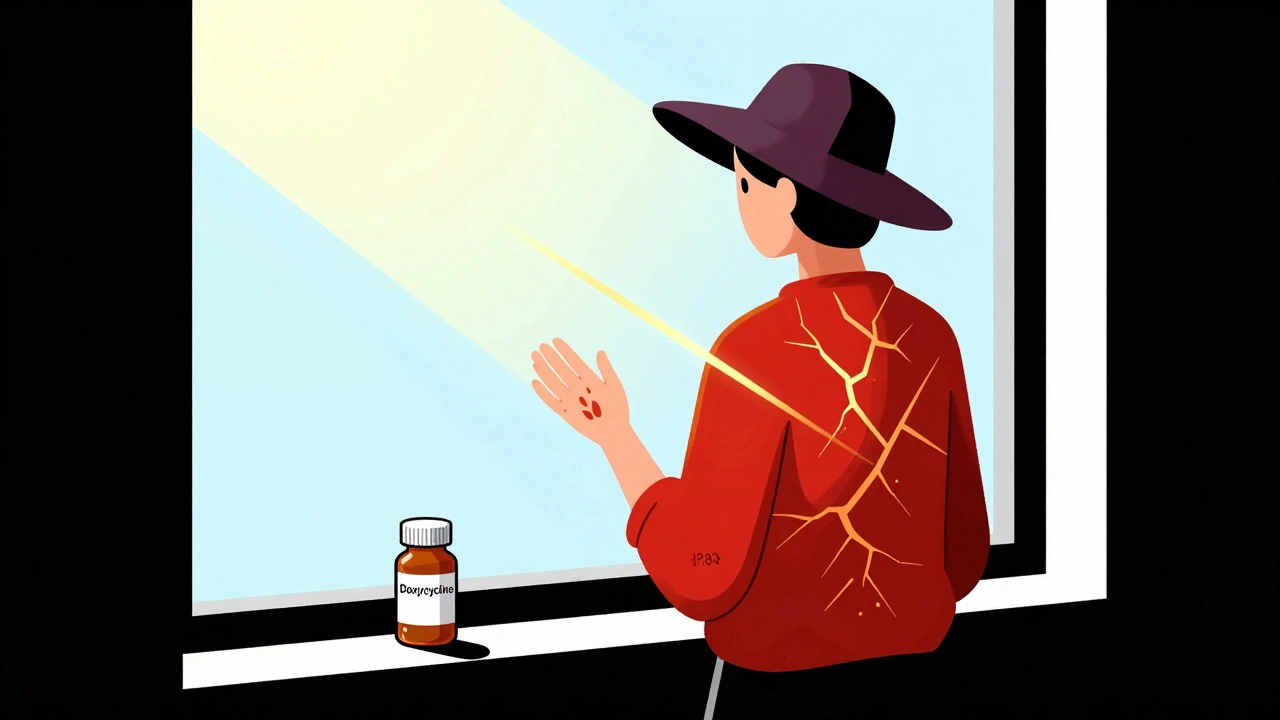
Photosensitivity means your skin becomes abnormally sensitive to ultraviolet (UV) light. It’s not an allergy in the traditional sense. It’s a chemical reaction. When doxycycline or TMP-SMX enters your bloodstream, they absorb UV rays - especially UVA (320-400 nm) - and turn them into energy that damages your skin cells. Think of it like your skin suddenly becoming a solar panel that’s wired wrong. Instead of generating power, it generates burns. There are two types of reactions. The first, phototoxic, makes up about 95% of cases. This looks like a bad sunburn - red, hot, sometimes blistering - and it shows up fast. Within 30 minutes to 24 hours of sun exposure, you’ll know something’s wrong. The second, photoallergic, is rarer. It triggers an immune response, leading to an itchy, eczema-like rash that shows up days later. Both are avoidable. But most people don’t realize they’re at risk until it’s too late.Why Doxycycline and TMP-SMX Are the Worst Offenders
Not all antibiotics do this. Penicillin? Low risk. Amoxicillin? Almost none. But doxycycline and TMP-SMX? They’re in the top tier for photosensitivity. Studies show that up to 20% of people taking doxycycline at standard doses (200 mg daily) develop phototoxic reactions. That’s one in five. For demeclocycline - a cousin of doxycycline - the rate jumps to over 90% at higher doses. TMP-SMX isn’t far behind. The Skin Cancer Foundation calls it "known to cause increased sensitivity to the sun," and reports reactions can linger for weeks after you stop taking it. Here’s why they’re so potent: doxycycline absorbs UVA light, which penetrates glass and clouds. You can get burned sitting by a window. TMP-SMX reacts across a broader spectrum. Even brief exposure - like walking to your car - can trigger a reaction. The FDA lists both drugs explicitly in their photosensitivity warnings. And unlike some medications, these don’t just fade quickly. With TMP-SMX, your skin can stay reactive for up to two weeks after your last pill. That’s longer than most people think.How Sun Exposure Changes When You’re on These Antibiotics
Your skin’s tolerance drops dramatically. Normally, you might need 15-20 minutes of midday sun to start burning. On doxycycline or TMP-SMX, that number can drop by half - or more. That’s called a reduced minimum erythema dose (MED). You’re not just more sensitive. You’re in danger faster. And it’s not just about beach days. In Sydney, where UV levels are high even in winter, you’re at risk during your morning walk, while gardening, or even driving with the windows down. UVA rays don’t care if you’re indoors. They pass through glass. So if you sit near a window at work or in your car, you’re still exposed. A study in the PMC8459281 review showed no reactions from UVB (the burning rays), but clear damage from UVA. That’s why sunscreen alone isn’t enough.What Sun Protection Actually Works - and What Doesn’t
Most people think "sunscreen" solves the problem. It helps - but only if you do it right. You need broad-spectrum SPF 30+ and reapply every two hours, or after sweating or swimming. But here’s the catch: sunscreen doesn’t block 100% of UVA. And most people apply too little. The Skin Cancer Foundation says you need about a shot glass full for your whole body. Most use a teaspoon. Clothing matters more than you think. A regular white T-shirt only blocks UV to about UPF 5. That’s barely better than nothing. You need UPF 30+ rated clothing - long sleeves, pants, a wide-brimmed hat. Dark, tightly woven fabrics work best. A baseball cap? Not enough. Your neck, ears, and back of hands still get fried. Avoid the sun between 10 a.m. and 4 p.m. That’s when UV radiation peaks. Even on cloudy days, up to 80% of UV rays get through. Plan outdoor activities for early morning or late afternoon. And yes - that means rescheduling your weekend hike or beach trip. It’s not optional. It’s medical advice.
The Hidden Danger: Stopping Too Soon
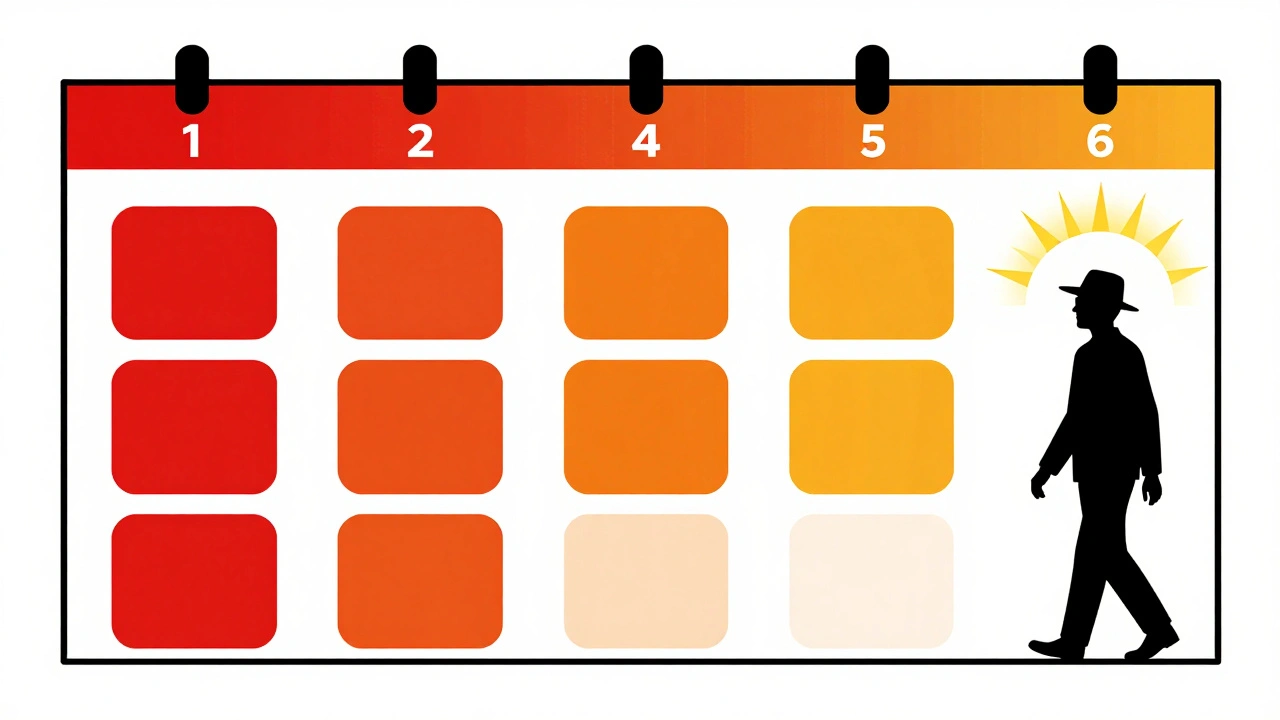
A lot of people stop worrying about sun protection as soon as they finish their antibiotic course. That’s a mistake. With TMP-SMX, your skin can remain sensitive for up to 14 days after your last dose. I’ve seen patients get burned two weeks after finishing Bactrim. They thought they were safe. They weren’t. Doxycycline clears faster - usually within a few days of stopping. But you still need to stay protected until your skin fully recovers. Don’t assume the moment your pills are gone, so is the risk. Your skin doesn’t reset that quickly.Why So Many People Ignore the Warning
Here’s the uncomfortable truth: doctors don’t always warn patients well. A 2023 survey by Network Health found that nearly 40% of patients on photosensitizing antibiotics weren’t told about sun risks at all. Others got a vague, "avoid too much sun" comment - not a clear plan. Patients assume antibiotics are "just pills," not skin-altering drugs. They forget they’re on them. They think, "I’ve taken this before and didn’t burn." But this isn’t about past experience. It’s about now. Your body’s chemistry changes. Your skin’s reaction changes. One dose of doxycycline can make you burn faster than you ever have before. And if you’re on it for acne, sinus infections, or Lyme disease - you might be taking it for weeks. That’s weeks of daily sun exposure you need to treat like a hazard.What to Do If You Get Burned
If you notice redness, pain, or blistering after being in the sun while on these antibiotics:- Get out of the sun immediately.
- Cool the skin with a damp cloth - no ice.
- Apply aloe vera or a gentle moisturizer.
- Take ibuprofen for pain and inflammation.
- Drink water. Dehydration makes burns worse.
- Call your doctor if blisters form, fever develops, or it doesn’t improve in 48 hours.
Long-Term Risks: It’s Not Just About the Burn
A bad sunburn today isn’t just painful. It’s cumulative damage. Each reaction increases your risk of skin cancer - especially melanoma. The Skin Cancer Foundation links repeated UV exposure, even from medications, to long-term DNA damage in skin cells. This isn’t theoretical. Dermatologists have seen a 15% yearly rise in photosensitivity-related visits since 2018. And with more people on antibiotics like doxycycline for acne or tick-borne illnesses, that number is climbing. You’re not just protecting your skin from a rash. You’re protecting your future health.Final Checklist: Your Sun Safety Plan
If you’re taking doxycycline or TMP-SMX, use this daily:- Apply broad-spectrum SPF 30+ sunscreen every morning - even if it’s cloudy.
- Reapply every two hours, or after sweating or swimming.
- Wear UPF 30+ clothing: long sleeves, pants, wide-brimmed hat.
- Stay out of direct sun between 10 a.m. and 4 p.m.
- Wear UV-blocking sunglasses - your eyes are at risk too.
- Keep windows closed or use UV-filtering film if you sit near them.
- Continue protection for at least 7-14 days after your last dose.
- Check your skin weekly for new moles or dark spots - report any changes.
Frequently Asked Questions
Can I still go outside if I’m on doxycycline or Bactrim?
Yes - but you need to be smart. Avoid direct sun between 10 a.m. and 4 p.m. Wear UPF 30+ clothing, a wide-brimmed hat, and apply broad-spectrum SPF 30+ sunscreen every two hours. You can walk your dog, go to the park, or sit in the shade. Just don’t lie out in the sun or sit by a window without protection.
Does sunscreen block all the risk?
No. Sunscreen helps, but it doesn’t block 100% of UVA rays. Most people apply too little. Clothing is your best defense. A regular cotton shirt only blocks about UPF 5. You need UPF 30+ rated gear for real protection. Combine sunscreen with shade, clothing, and timing for the best results.
How long after stopping the antibiotic am I still at risk?
For doxycycline, the risk fades within 3-5 days after your last dose. For TMP-SMX (Bactrim), it can last up to 14 days. Don’t assume you’re safe just because you finished your pills. Your skin remembers. Keep protecting yourself for at least two weeks after stopping Bactrim.
Can I use tanning beds while on these antibiotics?
Absolutely not. Tanning beds emit concentrated UVA light - the exact wavelength that triggers phototoxic reactions. Using one while on doxycycline or TMP-SMX can cause severe burns, blistering, and long-term skin damage in minutes. It’s not worth the risk.
Are there antibiotics that don’t cause sun sensitivity?
Yes. Penicillins like amoxicillin, cephalosporins like cephalexin, and macrolides like azithromycin carry very low or no photosensitivity risk. But if you’re on doxycycline or TMP-SMX, assume you’re at high risk - even if you’ve taken other antibiotics before without issues. Each drug acts differently.


Write a comment