
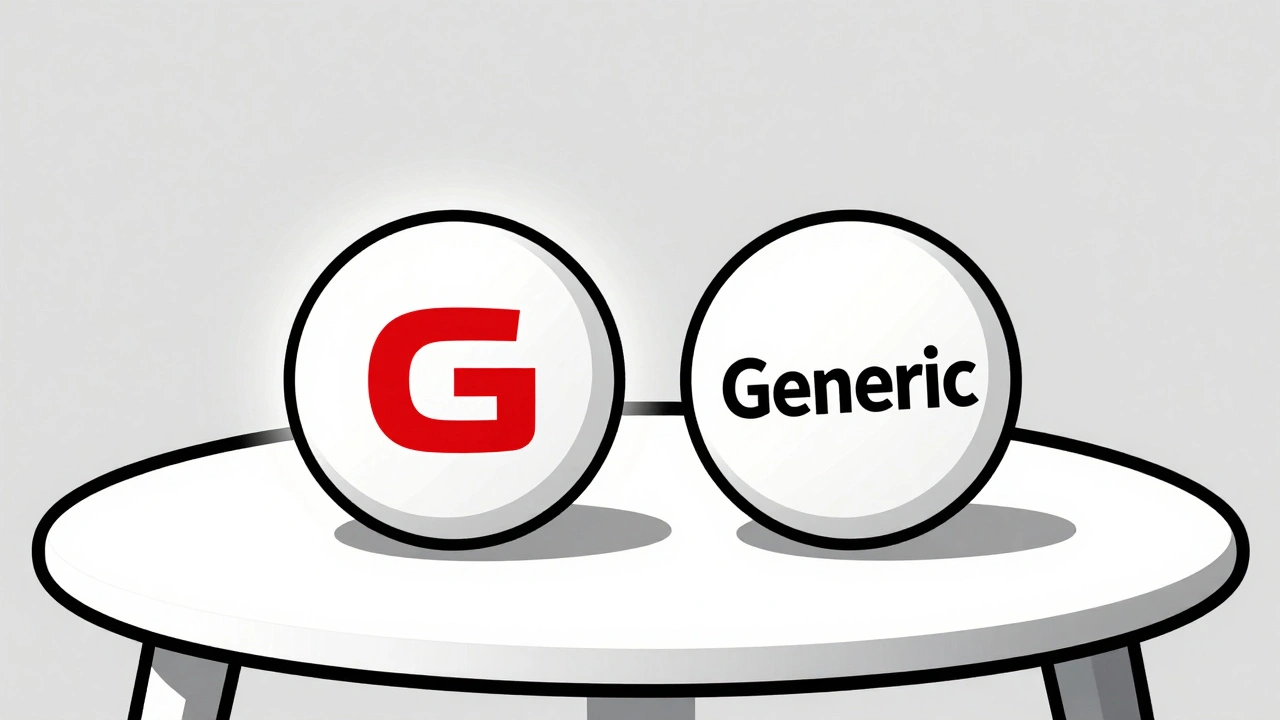
Imagine you’re handed two identical pills. Same size. Same color. Same active ingredient. One says brand-name. The other says generic. You take one. Then the other. You’d expect the same result, right? But what if your body reacts differently-stronger pain relief with the brand, more side effects with the generic-even though they’re chemically the same? That’s not magic. It’s the labeling effect.
Same Medicine, Different Mindset
The science is clear: generic drugs work just as well as brand-name ones. The FDA requires them to deliver the same active ingredient in the same amount, with the same effect on your body. So why do so many people feel like they don’t work as well? It’s not the drug. It’s the label. A 2019 study in the European Journal of Public Health tested this with 72 people. Everyone got placebo pills-no active medicine at all. Half were told they were taking a brand-name drug. The other half were told they were taking a generic. After just seven days, 54% of the people who thought they were on the generic stopped taking the pill. Only 33% of the brand-name group did. The generic group also reported more pain and were twice as likely to reach for over-the-counter meds to compensate. This isn’t about being irrational. It’s about expectation. Your brain doesn’t just process chemicals. It processes meaning. If you’ve been told for years that brand-name drugs are better, your brain starts to believe it-even when the evidence says otherwise.Placebo Power, No Active Ingredient
The labeling effect works through the placebo effect-the well-documented phenomenon where belief in a treatment improves outcomes. But it flips the script with generics. In a 2016 study, researchers gave students identical pills labeled either as brand-name or generic. Some pills contained real ibuprofen. Others were sugar pills. The brand-name placebo pills reduced pain almost as much as the real ibuprofen. The generic placebo? Not even close. Here’s the kicker: 63% of people said they felt headache relief from the brand-name placebo. Only 42% said the same about the generic placebo-even though both were sugar pills. That’s a 21-point difference based entirely on the label. And it gets worse. People who thought they were taking a generic were more likely to blame the pill for side effects. Nearly half reported nausea, dizziness, or fatigue from the generic placebo. Only 28% blamed the brand-name placebo. The pill didn’t change. The label did.Who’s Most Affected?
Not everyone reacts the same way. The labeling effect hits harder for certain groups. People with lower health literacy-those who struggle to understand medical info-are far more likely to quit their meds because they think generics don’t work. In the 2019 study, 67% of low-literacy patients stopped taking the generic-labeled placebo. Only 41% of high-literacy patients did. Older adults, people with chronic conditions like high blood pressure or diabetes, and those who’ve had bad experiences with medications in the past are also more vulnerable. They’re not being stubborn. They’ve been conditioned. Ads, doctors, even pharmacists have reinforced the idea that brand-name = better. When you switch to a cheaper pill with a plain label, your brain says: This isn’t the real thing.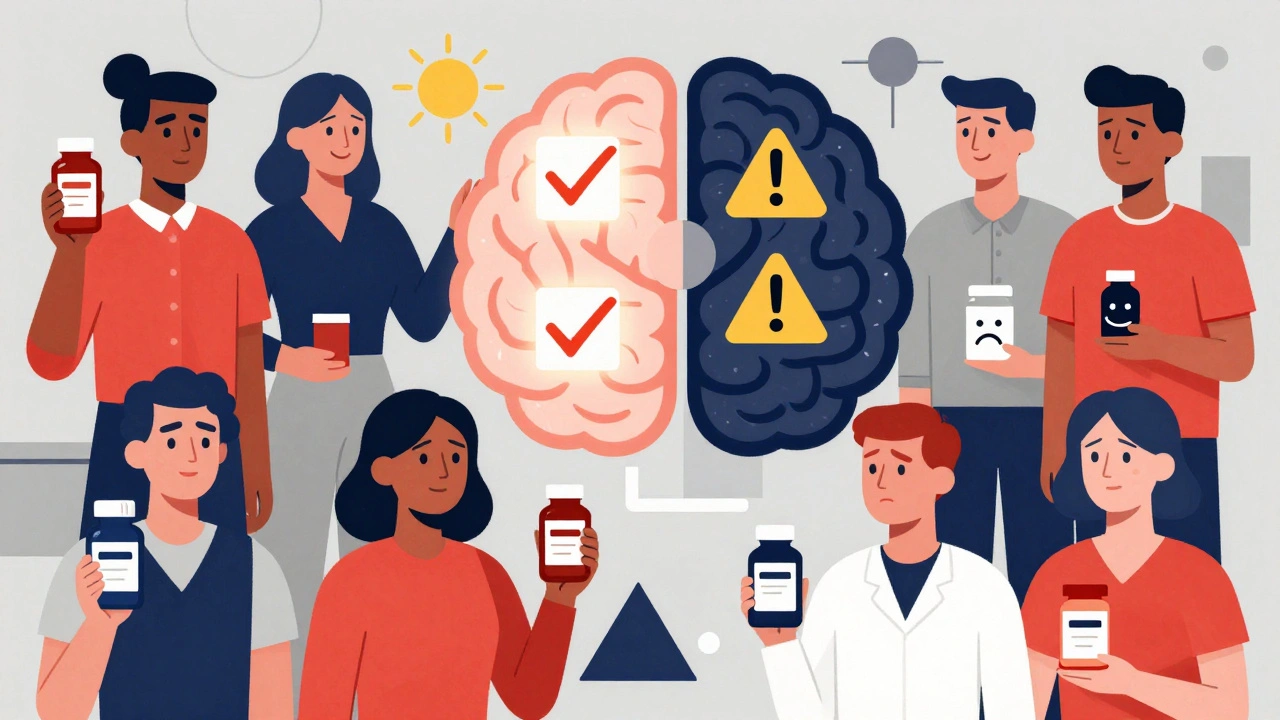
The Cost of Misunderstanding
This isn’t just about feelings. It’s about money, health, and lives. Generic drugs save the U.S. healthcare system about $373 billion a year. They make up 90% of all prescriptions filled. But if people stop taking them because they think they’re weaker, those savings vanish. Poor adherence to chronic meds is one of the biggest drivers of hospitalizations. The World Health Organization says only about half of people take their long-term meds as prescribed. The labeling effect contributes to that. If someone thinks their blood pressure pill is less effective because it says “generic,” they might skip doses. Or switch back to the expensive brand. Or stop altogether. And it’s not just psychological. A 2020 study found that 12.9% of generic drug labels had differences from the brand-name version that could lead to life-threatening mistakes. That’s not about perception-that’s about real errors in how the drug’s uses, warnings, or dosing are written. These aren’t just typos. They’re gaps in safety info.What’s Being Done?
The FDA, pharmacies, and patient groups know this is a problem-and they’re trying to fix it. In 2020, the FDA launched its “It’s the Same Medicine” campaign. Simple. Clear. Direct. They showed side-by-side images of brand and generic pills with the message: Same active ingredient. Same safety. Same effectiveness. In pilot tests across 12 health systems, patient concerns dropped by 28% in just six months. Some manufacturers are now adding phrases like “Therapeutically equivalent to [Brand Name]” right on the generic label. A 2023 study showed that simple change cut discontinuation rates from 52% to 37%. The Generic Pharmaceutical Association also launched “Generic You Can Count On” in early 2024, spending $50 million on education-flyers in pharmacies, videos on social media, brochures in doctor’s offices. But education alone won’t fix it. The system still treats generics as second-class. The packaging is cheaper. The labels are smaller. The pills look different. Even the pill shape and color can trigger suspicion. Why does the brand-name version come in a sleek bottle with a glossy label? Why does the generic come in a plain plastic tub?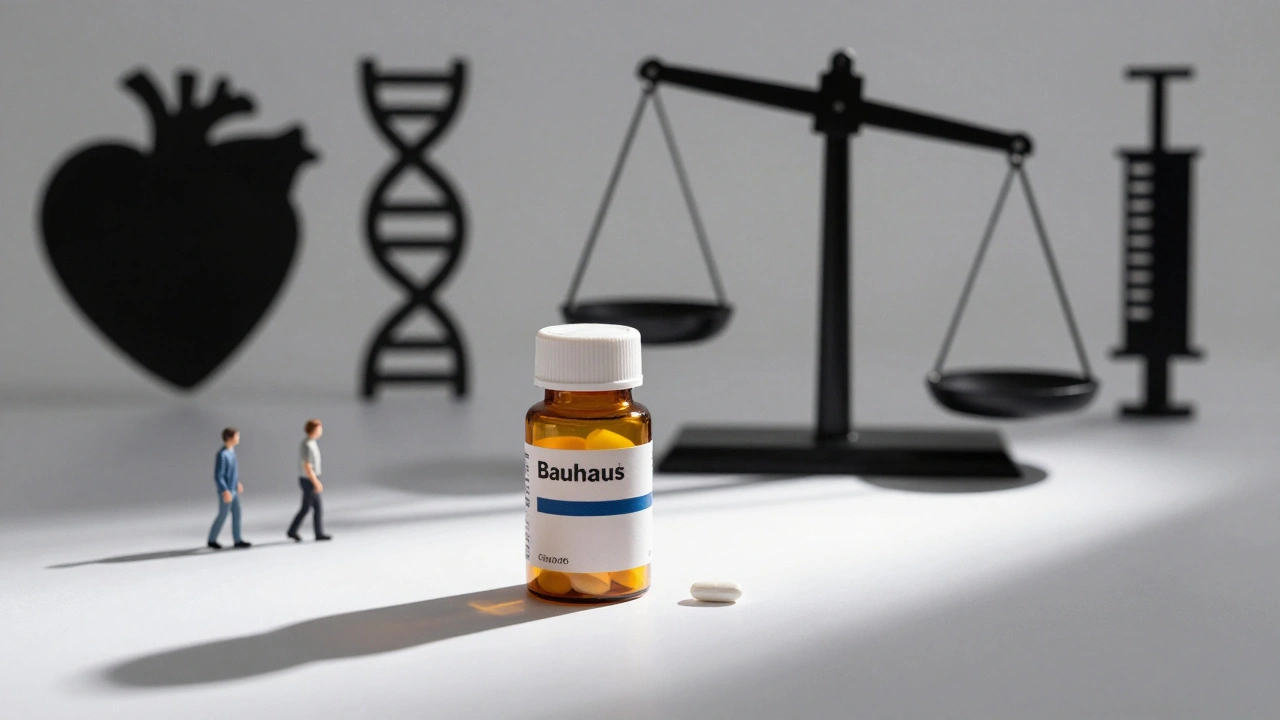
What You Can Do
If you’re taking a generic drug and you’re worried it’s not working:- Ask your pharmacist: “Is this the same as the brand?” They’ll confirm it’s bioequivalent.
- Don’t assume side effects are from the drug. Keep a simple log: When did you start? What changed? Did anything else in your life change too?
- If you feel worse after switching, talk to your doctor. Don’t just stop. There might be a real issue-but it’s not because the drug is weaker.
- Look for the “Therapeutically equivalent” label. It’s a small sign, but it helps.


Write a comment