

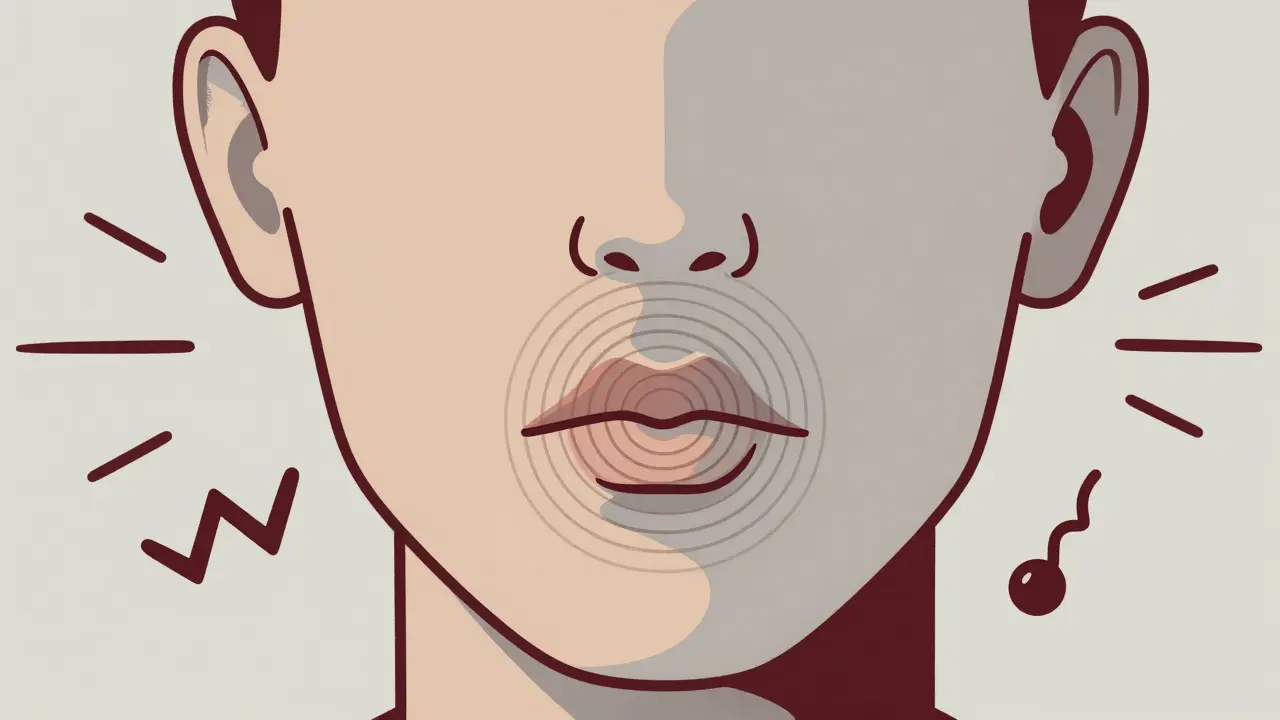
Herpes simplex isn’t just a cold sore you get once in a while. For many, it’s a recurring cycle of tingling, blisters, and embarrassment - sometimes monthly, sometimes yearly, but always unpredictable. Whether it’s on your lips, face, or genitals, the virus stays with you for life. The good news? You can take real steps to cut down how often it comes back and manage outbreaks when they do. This isn’t about miracle cures or wishful thinking. It’s about science-backed strategies that actually work.
How Herpes Simplex Works - And Why It Keeps Coming Back
Herpes simplex virus (HSV) has two main types: HSV-1 usually causes oral herpes (cold sores), and HSV-2 is linked to genital herpes. But that’s not always true - HSV-1 can cause genital outbreaks too, and HSV-2 can show up on the mouth. Once you’re infected, the virus doesn’t leave. It hides in your nerve cells, sleeping quietly until something wakes it up.
What triggers it? Stress, sunburn, illness, hormonal changes, dental work, or even laser treatments. For some, it’s every time they’re run down. For others, it’s nothing obvious. The virus doesn’t care about your schedule. It reactivates, travels down the nerve, and bursts out as a cluster of tiny, painful blisters. These turn into sores, scab over, and heal - usually in 7 to 10 days. But the damage isn’t just physical. The emotional toll is real. People avoid kissing, intimacy, or even going out because they fear another outbreak.
The Three Main Ways to Prevent Recurrences
There are three proven approaches to reducing how often herpes comes back: antiviral medication, trigger control, and early treatment. You don’t need all three - but combining them gives you the best shot.
1. Daily Suppressive Therapy
If you have six or more outbreaks a year, daily antiviral medication is the most effective way to cut recurrences. Three drugs are used: acyclovir, valacyclovir, and famciclovir. Of these, valacyclovir (Valtrex) is the most popular because it’s easier to take - just once or twice a day - and it’s better absorbed by your body than acyclovir.
Studies show daily valacyclovir reduces outbreaks by 70% to 80%. For someone having eight outbreaks a year, that drops to one or two. It also cuts viral shedding - the time when you can spread the virus even without visible sores - by up to 90%. That’s huge for partners who don’t have HSV.
But it’s not for everyone. If you only get two or three outbreaks a year, the cost and side effects (headache, nausea, rare kidney issues) may not be worth it. The CDC and American Academy of Dermatology recommend this only for people with frequent recurrences. It’s not a cure. It’s a management tool.
2. Know and Avoid Your Triggers
Medication helps, but lifestyle changes matter just as much. Here are the top triggers backed by patient data and clinical studies:
- Stress: A Reddit survey of 127,000 people found 68% linked outbreaks to high stress. Managing stress with sleep, exercise, or therapy can reduce flares.
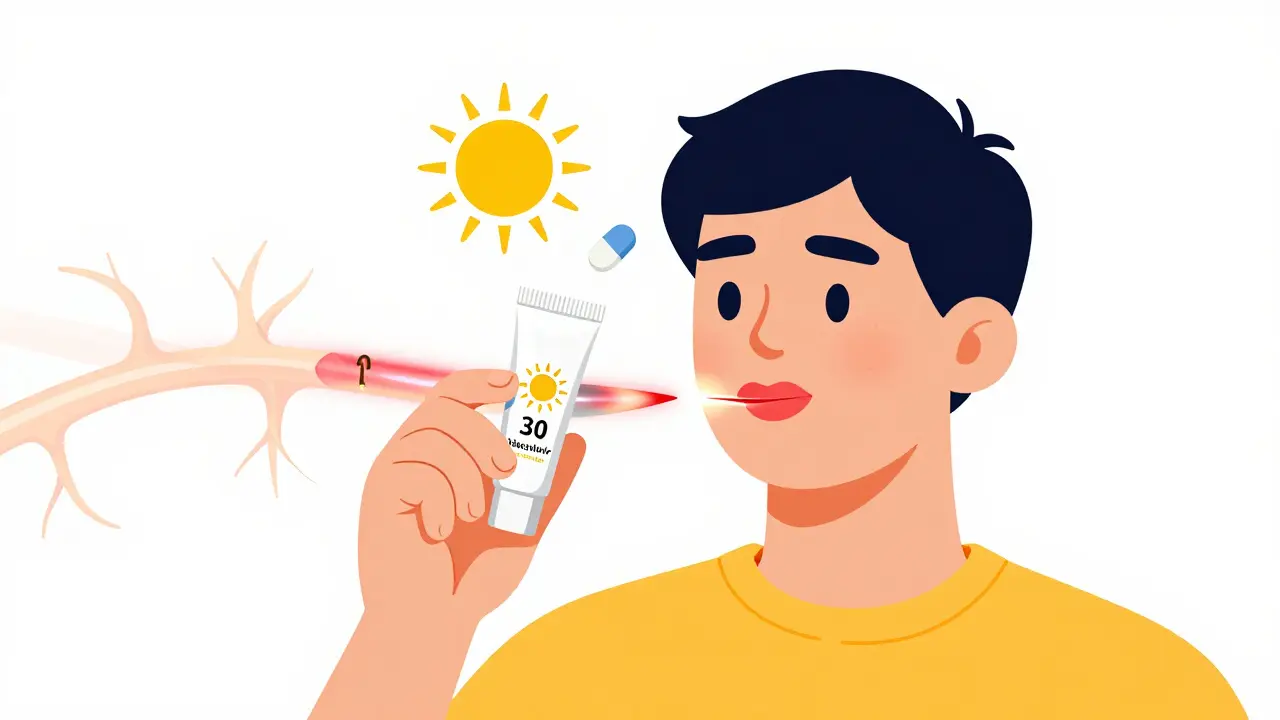
- Sun exposure: UV rays are a top trigger for lip herpes. Using SPF 30+ lip balm every day - even in winter - cuts outbreaks by 76% according to a Healthline survey of 1,200 people.
- Illness or fatigue: When your immune system is down, the virus wakes up. Don’t ignore colds or lack of sleep.
- Procedures: Laser skin treatments, chemical peels, or dental work can trigger outbreaks. If you’ve had cold sores before, tell your dermatologist or dentist. They can prescribe a short course of valacyclovir before the procedure - often 500mg twice daily for 10-14 days - which can prevent outbreaks entirely.
Some people swear by zinc supplements. A 2022 survey found 63% of users reported less severe outbreaks when taking 15-30mg daily. It’s not a magic bullet, but it’s low-risk and may help.
3. Treat at the First Sign - Not After
The biggest mistake people make? Waiting until the blister appears.
Before the sore shows up, you’ll often feel it: a tingling, itching, burning, or tightness on the skin. That’s the prodrome. This is your window. If you take antiviral medication within one hour of feeling this, you can stop the outbreak cold.
For episodic treatment, the CDC recommends valacyclovir 2g taken twice in one day - 12 hours apart. That’s it. One dose. Done. Studies show this cuts healing time from 5.2 days to 4.3 days. Start later, and the benefit drops by half.
Topical creams like acyclovir ointment? They don’t work well for prevention. You need oral medication to get enough drug into your system to stop the virus from spreading.
What Doesn’t Work - And Why
There’s a lot of misinformation out there. Let’s clear it up.
- Lysine supplements: Many people take lysine hoping to prevent outbreaks. But multiple Cochrane reviews found no reliable evidence it works better than a placebo.
- Essential oils or tea tree oil: No clinical studies support their use. They can irritate skin and make outbreaks worse.
- Only using antivirals during outbreaks: If you’re having six or more outbreaks a year, episodic treatment alone won’t stop the cycle. You’ll keep having them - just a little shorter.
- Waiting for insurance to cover it: Valacyclovir costs around $370 a month without insurance in the U.S. But generic acyclovir is under $20 for a 30-day supply. Ask your doctor for the cheaper option - it’s just as effective if taken more often.
When to See a Doctor
You don’t need to see a doctor every time you get a cold sore. But you should if:
- You have more than six outbreaks a year
- Outbreaks last longer than two weeks
- The sores spread to your eyes, fingers, or other areas
- You’re pregnant or have a weakened immune system
- You’re considering a cosmetic procedure like laser resurfacing
Dermatologists and primary care doctors can help you decide if suppressive therapy is right for you. They can also test to confirm if it’s HSV-1 or HSV-2 - because treatment plans differ. HSV-2 genital herpes has more frequent recurrences and sheds more often, so daily meds are more often recommended. HSV-1 genital outbreaks are milder, so suppressive therapy is only for those with frequent flares.
Preventing Spread to Others
Even when you feel fine, you can still pass the virus. Daily antivirals reduce transmission by 48%, according to a landmark 2004 study in the New England Journal of Medicine. But they don’t eliminate it.
Here’s what actually helps:
- Avoid kissing or oral sex when you feel tingling - even if no sore is visible
- Don’t share lip balm, towels, or utensils during an outbreak
- Wash your hands after touching a sore
- Use condoms or dental dams - they help, but don’t fully protect since the virus can spread from skin not covered
- Tell partners. It’s hard, but it’s fair. Most people with HSV don’t know they have it.
Real Stories, Real Results
One woman in Sydney, 34, had outbreaks every 6-8 weeks. She started daily acyclovir 400mg twice a day and switched to SPF 30 lip balm daily. Within three months, she had one minor outbreak. She says: “I didn’t realize how much stress I was carrying until I stopped having sores.”
A man in his 50s got cold sores after every dental cleaning. He started taking valacyclovir 2g one hour before his appointments. He hasn’t had one since - for over two years.
These aren’t rare. They’re common outcomes for people who treat this like a medical condition - not a shame.
What’s Coming Next
There’s no cure yet. But research is moving fast. A new drug called pritelivir works for cases resistant to older antivirals, though it’s only for people with weak immune systems. Two vaccine candidates showed promise in early trials but didn’t meet their main goals in 2023. Still, scientists are working on long-acting injections that could last 90 days - a game-changer for people tired of daily pills.
For now, the tools we have are powerful. You don’t have to live in fear of your next outbreak. With the right plan, you can reduce them to rare events - or even stop them entirely.
Can herpes simplex be cured?
No, herpes simplex virus cannot be cured. Once you’re infected, the virus stays in your nerve cells for life. But it can be controlled. With antiviral medication, trigger management, and early treatment, most people reduce outbreaks to once a year or less - and many stop having them entirely.
Is herpes only spread during outbreaks?
No. The virus can spread even when there are no visible sores. This is called asymptomatic shedding. Daily antiviral therapy reduces shedding by up to 90%, but it doesn’t eliminate it. That’s why using condoms, avoiding contact during prodrome, and taking suppressive meds are all important - even when you feel fine.
Can I use over-the-counter creams to prevent outbreaks?
No. Over-the-counter creams like docosanol or zinc oxide may soothe a sore, but they don’t prevent outbreaks or reduce frequency. Only oral antiviral medications - acyclovir, valacyclovir, or famciclovir - have been proven to stop recurrences. Topical antivirals like acyclovir cream are not effective for prevention.
How long should I take antivirals for prevention?
For daily suppressive therapy, most people take medication indefinitely - as long as they’re having frequent outbreaks. Some stop after a year or two if outbreaks have stopped. For procedures like laser resurfacing, you’ll take it for 10-14 days starting the day before. For episodic treatment, you take two doses 12 hours apart - just once - at the first sign of tingling.
Does herpes affect fertility or pregnancy?
Herpes simplex doesn’t affect fertility. But if you have an active outbreak during childbirth, there’s a risk of passing the virus to the baby. That’s rare - less than 0.1% of births. If you’re pregnant and have HSV, your doctor will monitor you and may prescribe antivirals in the last month of pregnancy to prevent outbreaks. A C-section is only done if you have active sores at the time of delivery.
Can I still have sex if I have herpes?
Yes. Many people with herpes have healthy, fulfilling sex lives. The key is communication and prevention. Use condoms, take daily antivirals if recommended, and avoid sex during outbreaks or when you feel tingling. With these steps, transmission risk drops dramatically. Most partners are already exposed - many don’t even know it.
Next Steps: What to Do Today
Start by tracking your outbreaks. Write down when they happen, what you were doing, how you felt. Look for patterns. Then talk to your doctor. Ask: “Am I a candidate for suppressive therapy?” or “Should I take antivirals before my next dental cleaning?”
Buy a lip balm with SPF 30+ and use it every day. Don’t wait for summer. Don’t wait for a sunburn. Just use it.
If you’re stressed, find a way to manage it - walking, meditation, therapy. Stress is your biggest trigger.
You don’t have to live in fear. Herpes is common. It’s manageable. And with the right approach, it doesn’t have to control your life.


Write a comment