
When two drugs are taken together, they don’t just sit side by side in your body. They talk to each other-sometimes helping, sometimes hurting. This conversation happens at the level of your cells, your receptors, and your physiology. It’s called a pharmacodynamic drug interaction, and it’s one of the most dangerous, yet often overlooked, reasons why people end up in the hospital. Unlike interactions that change how your body absorbs or breaks down drugs (those are pharmacokinetic), pharmacodynamic interactions change what the drugs do to your body-even when their levels stay exactly the same.
How Pharmacodynamic Interactions Work
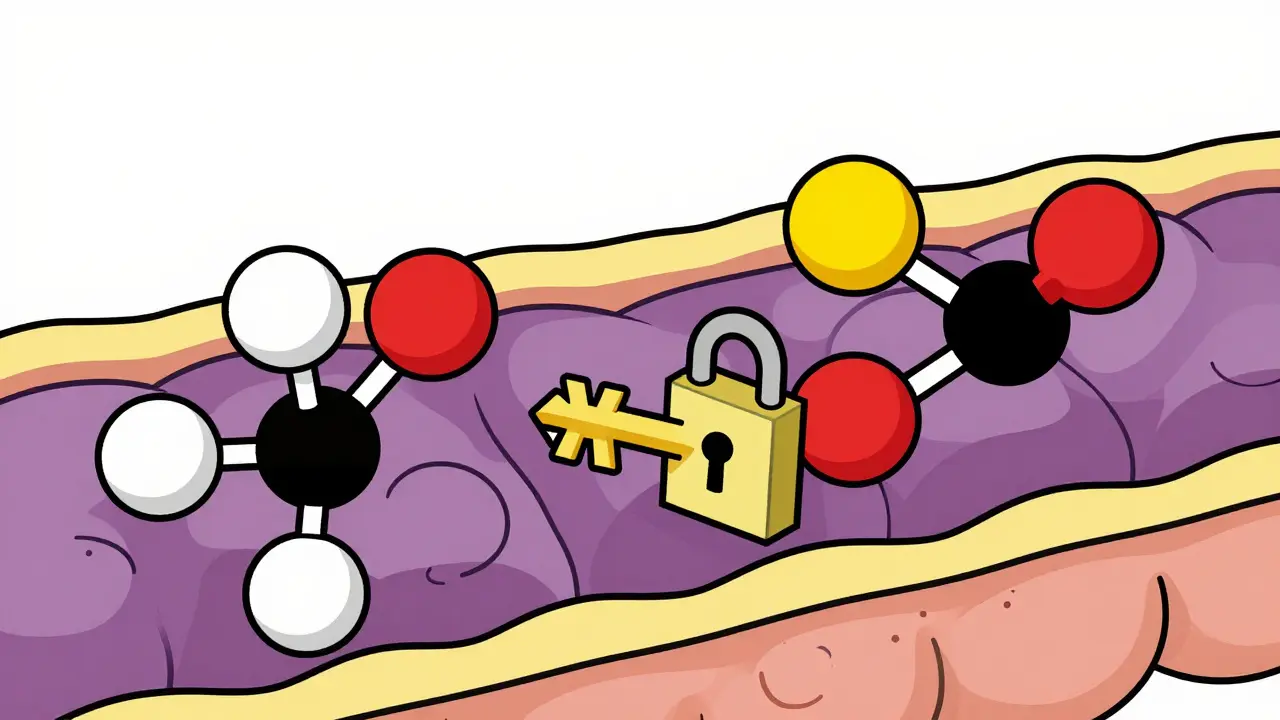
Think of your body’s receptors like locks, and drugs like keys. A drug works because its shape fits perfectly into a receptor, turning on a biological response-like lowering blood pressure or relaxing your airways. When two drugs compete for the same lock, one can block the other. Or, if they both turn on the same system, their effects can pile up dangerously. These are the two main ways pharmacodynamic interactions happen: at the receptor level, or through physiological pathways.
Take beta-blockers and albuterol, for example. Albuterol is used for asthma-it opens up the airways by binding to beta-2 receptors in the lungs. Propranolol, a beta-blocker used for high blood pressure or heart rhythm issues, binds to the same receptors. If you take both, propranolol can block albuterol from working. The concentration of albuterol doesn’t change. But its effect? Gone. That’s not a mistake-it’s a direct pharmacodynamic clash. And it can turn a routine asthma attack into a life-threatening event.
The Three Types: Synergy, Additive, and Antagonism
Not all interactions are bad. In fact, some are designed on purpose. Pharmacodynamic interactions fall into three clear categories:
- Synergistic: The combined effect is greater than the sum of the parts. Think of trimethoprim and sulfamethoxazole (Bactrim). Each blocks a different step in bacterial folic acid production. Together, they’re so effective that each can be given at 75% less dose than if used alone. This synergy is why it’s a first-line antibiotic for many infections.
- Additive: The effects simply add up. If Drug A lowers blood pressure by 10 mmHg and Drug B lowers it by 15 mmHg, together they lower it by 25 mmHg. This isn’t inherently dangerous-but in someone already on multiple blood pressure meds, it can push them into dangerously low readings.
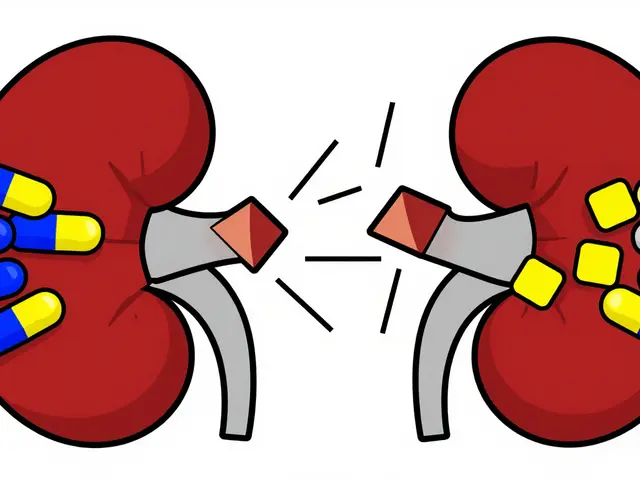
- Antagonistic: One drug cancels out the other. This is the most common and most dangerous type. Opioid antagonists like naloxone (Narcan) are lifesavers in overdoses, but if given to someone dependent on opioids, they trigger immediate, violent withdrawal. Same with NSAIDs like ibuprofen and ACE inhibitors like lisinopril. Ibuprofen blocks prostaglandins that help keep kidney blood flow stable. Without them, lisinopril can’t lower blood pressure effectively. A 2019 NIH study showed this combo reduces kidney perfusion by 25% in hypertensive patients.
The Most Dangerous Combinations
Some interactions aren’t just risky-they’re deadly. The most feared are those involving drugs with narrow therapeutic indexes, where the difference between a helpful dose and a toxic one is razor-thin.
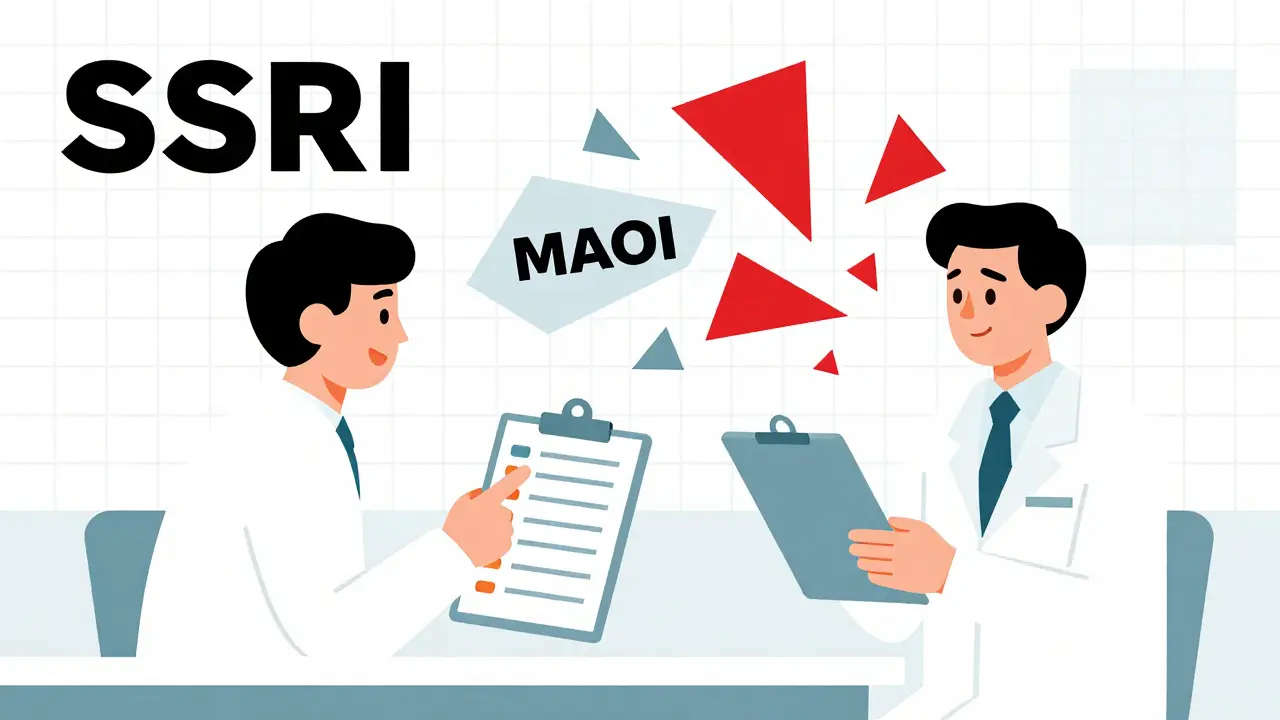
One of the worst is combining SSRIs (like sertraline or fluoxetine) with MAOIs (like phenelzine or selegiline). Both increase serotonin levels. Together? They can trigger serotonin syndrome-a condition that causes high fever, seizures, muscle rigidity, and sometimes death. A 2021 meta-analysis found this combo increases serotonin syndrome risk by 24 times compared to either drug alone. And it’s not rare. A hospital pharmacist in Australia described a case in 2023 where a 72-year-old patient on sertraline was prescribed linezolid (an antibiotic that also inhibits MAO) for a lung infection. Within 36 hours, he was in intensive care with serotonin syndrome. He survived, but only after 72 hours of sedation and cooling.
Another classic danger zone: anticoagulants and antiplatelet drugs. Warfarin plus aspirin, or clopidogrel with dabigatran. Each alone reduces clotting risk. Together? Bleeding risk jumps dramatically. A 2022 survey of over 1,200 U.S. physicians found 38% of them encountered this dangerous combo at least once a month. And it’s not just about bleeding. The same pattern applies to sedatives: mixing benzodiazepines, opioids, and alcohol can shut down breathing. This combo is behind nearly 30% of accidental overdose deaths in people over 65.
When Interactions Are a Good Thing
Pharmacodynamic interactions aren’t always a problem. In fact, they’re the foundation of modern drug design.
Take low-dose naltrexone (LDN) combined with antidepressants. Naltrexone is usually used to block opioid receptors. But at very low doses, it seems to modulate immune signaling in the brain. A 2021 study in the Journal of the American Pharmacists Association gave LDN alongside standard antidepressants to 142 patients with treatment-resistant depression. Sixty-eight percent improved significantly-compared to only 42% on antidepressants alone. The interaction here isn’t accidental; it’s targeted.
Or consider the combo of metformin and SGLT2 inhibitors for type 2 diabetes. They work through completely different pathways-one reduces liver glucose output, the other flushes sugar out through urine. Together, they lower HbA1c more than either alone, with fewer side effects. This is synergy in action: smarter, safer, and more effective.
Why Doctors Miss These
Most electronic prescribing systems flag pharmacokinetic interactions-like a statin and grapefruit juice-because they’re easy to model. But pharmacodynamic ones? They’re harder. They depend on receptor affinity, physiological pathways, and individual patient factors like kidney function or age.
A 2020 study in Drug Safety found that clinical decision support systems missed 22% of serious pharmacodynamic interactions. Why? Because they’re built on simple rules: “Don’t combine X and Y.” But what if X is given at 5 mg, and Y at 100 mg? The risk changes. Or what if the patient has chronic kidney disease? That alters receptor sensitivity. Algorithms don’t handle nuance well.
That’s why pharmacist-led reviews are so effective. A 2021 review in BMJ Quality & Safety showed pharmacist interventions reduced adverse events from pharmacodynamic interactions by 58% in elderly patients. Why? Because pharmacists don’t just check a database. They ask: What’s the patient’s real goal? Are they taking this for pain, or is it for inflammation? Do they have heart failure? Are they dehydrated? Those details change everything.
What You Can Do
If you’re on three or more medications-which is common for people over 65-you’re at higher risk. Here’s what helps:
- Know your drugs. Not just the names, but why you’re taking them. If you’re on lisinopril for blood pressure and ibuprofen for arthritis, ask your doctor: Is this safe? Is there a better painkiller?
- Use one pharmacy. This helps pharmacists see your full list. Many people get prescriptions from different doctors and fill them at different pharmacies. That’s how dangerous combos slip through.
- Ask about alternatives. If you’re on an SSRI and need an antibiotic, ask: Is there a non-MAOI option? Many antibiotics don’t interact with antidepressants.
- Monitor symptoms. If you suddenly feel dizzy, confused, or unusually tired after starting a new drug, don’t assume it’s just “aging.” It might be an interaction.
There’s no magic tool that catches every interaction. But knowledge does. Understanding that drugs don’t just act alone-that they influence each other at the molecular level-changes how you think about your prescriptions.
What’s Next?
The future is moving toward predictive models. Researchers at UCSF built a machine learning system that predicts serotonin syndrome risk with 89% accuracy by analyzing drug combinations, patient age, kidney function, and dosage. The UK is piloting real-time alerts in electronic health records that flag not just drug pairs, but context: Is the patient elderly? Are they dehydrated? Are they on multiple CNS depressants? These systems don’t just warn-they help doctors choose safer alternatives.
By 2030, the global market for drug interaction software will be over $3 billion. But no algorithm will replace a clinician who understands how receptors work, how kidneys respond, and how one drug can quietly undo another. The science is clear. The tools are improving. What’s missing is awareness.
What’s the difference between pharmacodynamic and pharmacokinetic drug interactions?
Pharmacokinetic interactions change how your body processes a drug-like how the liver breaks it down or how well it’s absorbed. For example, grapefruit juice blocks liver enzymes that metabolize statins, causing higher blood levels. Pharmacodynamic interactions happen at the target site: the drug’s effect changes, even if its concentration stays the same. One drug might block a receptor, amplify a signal, or interfere with a physiological response-like how NSAIDs reduce the blood pressure-lowering effect of ACE inhibitors.
Can pharmacodynamic interactions be intentional?
Yes. Many drug combinations are designed to work together. The classic example is trimethoprim and sulfamethoxazole (Bactrim), which block two steps in bacterial folic acid synthesis. Together, they’re more effective than either drug alone, allowing lower doses and fewer side effects. Another example is low-dose naltrexone combined with antidepressants, which has shown promise in treatment-resistant depression by modulating brain immune pathways. These aren’t accidents-they’re targeted therapies.
Why are pharmacodynamic interactions harder to detect than pharmacokinetic ones?
Pharmacokinetic interactions are easier to model because they involve measurable changes in drug levels-like enzyme inhibition or absorption changes. Pharmacodynamic interactions depend on complex biological responses: receptor binding, physiological pathways, and individual patient factors like age, kidney function, or disease state. A drug might not change in concentration, but its effect can vanish or multiply. Most electronic systems aren’t built to predict these nuanced changes, so they often miss them.
Which drugs are most likely to cause dangerous pharmacodynamic interactions?
Drugs with narrow therapeutic indexes are the biggest concern-where the difference between a safe and toxic dose is small. These include anticoagulants (warfarin), anti-seizure drugs (phenytoin), and mood stabilizers (lithium). But the most dangerous combinations involve CNS depressants (opioids, benzodiazepines, alcohol), serotonergic drugs (SSRIs + MAOIs), and drugs affecting kidney function (NSAIDs + ACE inhibitors). These combinations can cause sudden, life-threatening changes even in healthy people.
How can I reduce my risk of harmful drug interactions?
Use one pharmacy for all your prescriptions so your pharmacist has a full picture. Keep an updated list of all medications-including supplements and OTC drugs-and review it with your doctor or pharmacist every 6 months. Ask: “Could this new drug interact with what I’m already taking?” Avoid combining multiple CNS depressants, and never start or stop a drug without consulting your provider. If you feel unusual drowsiness, confusion, or dizziness after a new prescription, contact your provider immediately.
Understanding how drugs talk to each other isn’t just for doctors. It’s essential for anyone taking more than one medication. The science is complex, but the message is simple: know what you’re taking, ask questions, and don’t assume it’s safe just because it was prescribed.


Write a comment