



Dealing with pain is one of the most daunting parts of a cancer journey. It isn't just about a physical sensation; it's about how that pain steals your sleep, your appetite, and your ability to enjoy time with your family. Whether it's a dull ache from a tumor pressing on an organ or the sharp, electric sting of chemotherapy-induced nerve damage, the goal isn't just to "get through the day." It's about regaining a level of comfort that lets you actually live. Fortunately, modern medicine has moved far beyond a one-size-fits-all approach, combining strong medications with precise procedures and holistic therapies to keep pain under control.
The Foundation: The WHO Analgesic Ladder
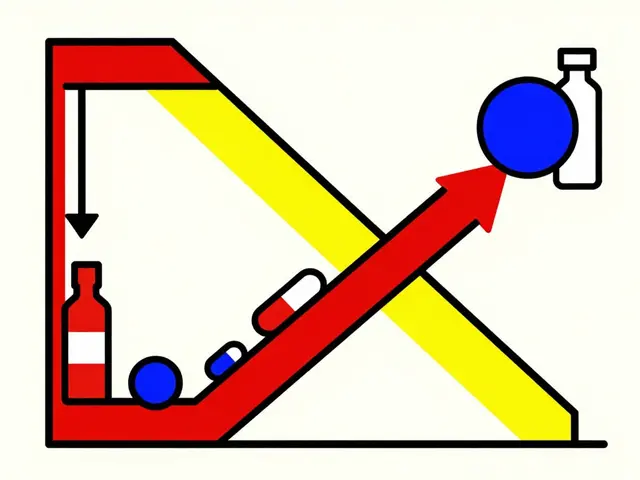
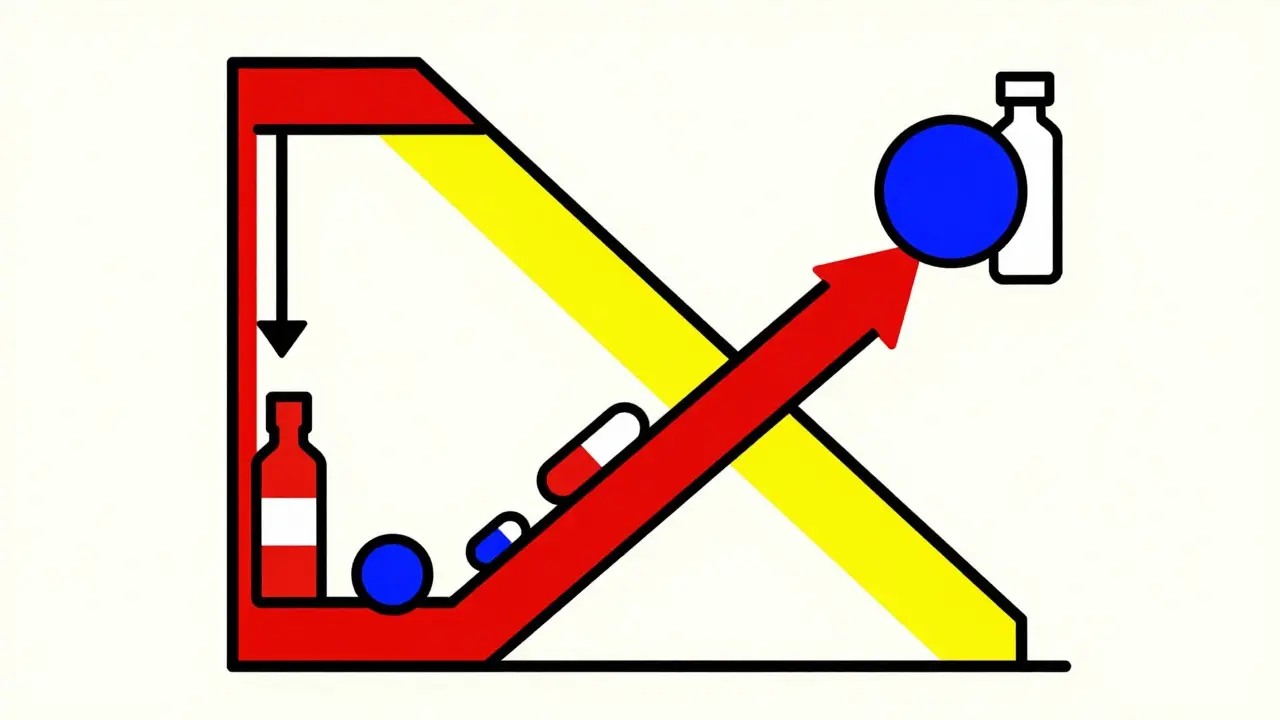
For decades, doctors have relied on a systematic approach called the WHO analgesic ladder, which is a three-step framework designed to match the strength of a painkiller to the intensity of the pain. Instead of starting with the strongest drug possible, this method allows clinicians to scale treatment based on how the patient responds. Recent data suggests this approach works for over 70% of patients.
Here is how the levels typically break down:
- Step 1 (Mild Pain): Doctors start with non-opioids. This usually involves Paracetamol (acetaminophen) or NSAIDs like ibuprofen. These are great for inflammation and low-level discomfort.
- Step 2 (Moderate Pain): If the first step isn't enough, "weak opioids" come into play. Common choices include Tramadol or codeine.
- Step 3 (Severe Pain): For intense pain, "strong opioids" are used. This is where Morphine, oxycodone, or fentanyl patches are prescribed.
A big shift in recent years is the move toward "around-the-clock" dosing. In the past, many patients took pills only when the pain became unbearable. Now, the standard is to keep a steady level of medication in the bloodstream to prevent the pain from spiking in the first place, with additional "breakthrough" doses reserved for sudden flares.
Navigating Opioids: Benefits and Trade-offs
When pain hits a certain threshold, opioids are often the most effective tool available. They are powerful because they block pain signals in the brain and spinal cord. However, they aren't without a cost. If you're using these medications, you're likely dealing with side effects that can feel just as frustrating as the pain itself.
Constipation is the most notorious issue, affecting over 80% of patients. Unlike other side effects, you don't typically develop a tolerance to constipation, meaning you'll need a proactive bowel regimen for as long as you're on the medication. Nausea and sedation are also common, though these often improve after a few weeks as your body adjusts.
It's also worth noting that not everyone processes these drugs the same way. Some people have a genetic variation in an enzyme called CYP2D6. If you're a "poor metabolizer," a drug like codeine might do absolutely nothing for you because your body can't convert it into the active morphine that actually kills the pain.
Precision Relief: The Role of Nerve Blocks
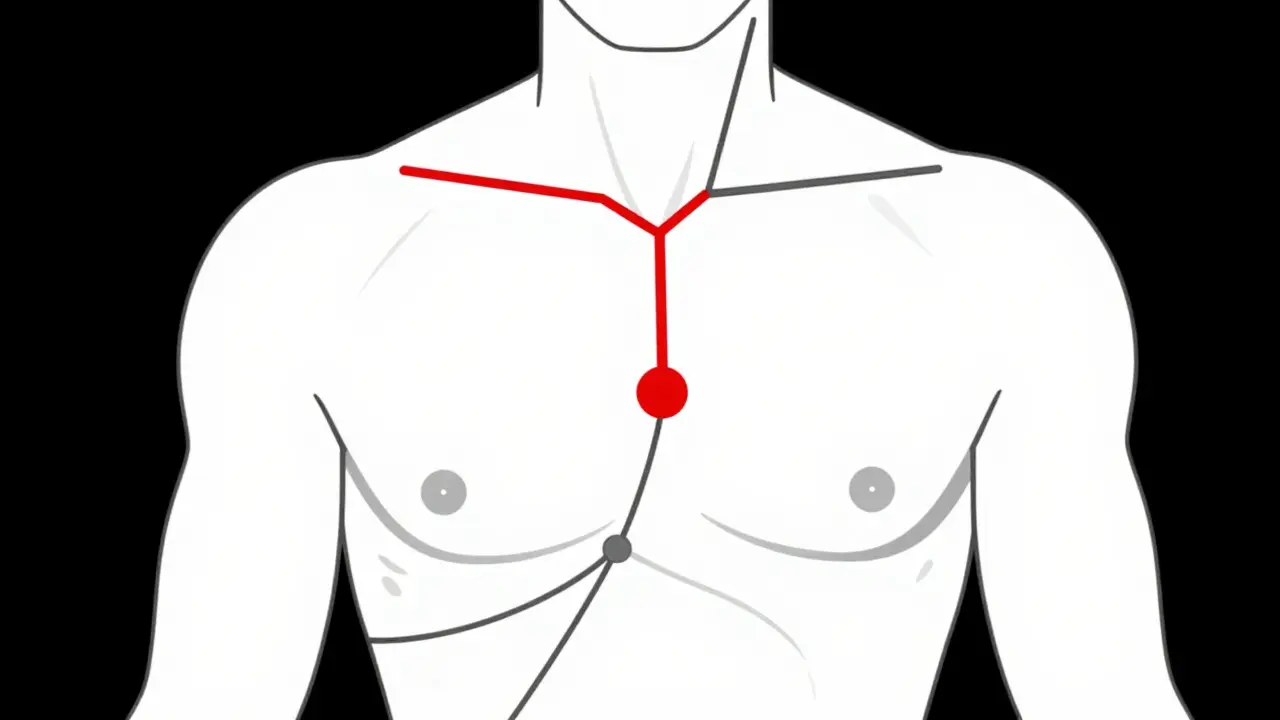
Sometimes, pills aren't enough, or the side effects of high-dose opioids become too much to handle. This is where interventional pain management comes in. Instead of treating the whole body with a drug, Nerve Blocks are procedures that numb a specific nerve or group of nerves to stop pain signals from reaching the brain.
| Procedure | Target Area | Typical Use Case | Estimated Relief Duration |
|---|---|---|---|
| Celiac Plexus Block | Abdominal nerves | Pancreatic cancer | ~132 days (median) |
| Epidural Analgesia | Spinal cord space | Severe back or lower body pain | Continuous (via pump) |
| Peripheral Nerve Catheters | Specific limb nerves | Localized extremity pain | Continuous infusion |
For example, someone with pancreatic cancer might find that a celiac plexus block drops their pain from an 8/10 to a 3/10 almost instantly. While these procedures are highly effective (with success rates between 65% and 85%), they aren't permanent. They usually need to be repeated every few months to maintain the effect.
Integrative Care: More Than Just "Alternative" Medicine
Integrative care isn't about replacing your doctor's prescriptions; it's about adding tools to your toolkit. The goal is to treat the whole person-mind and body-to lower the overall volume of pain. Many top cancer centers now combine traditional medicine with non-pharmacological strategies.
Acupuncture has gained significant traction, with studies showing it can reduce pain intensity by nearly 39% for many patients. It's particularly useful for managing the nausea that comes with chemo or the constipation caused by opioids. Other helpful methods include massage therapy, reflexology, and mindfulness-based stress reduction.
Mindfulness might sound vague, but for many, it's a survival tool. By changing how the brain perceives pain, patients can often reduce the emotional distress associated with physical suffering. When you combine these with a clinical plan, you often find you can lower your opioid dose, which in turn reduces the "brain fog" and lethargy associated with strong painkillers.
The New Frontier: Monoclonal Antibodies and AI
We are entering an era of highly targeted pain relief. One of the most exciting developments is the use of Monoclonal Antibodies. Unlike opioids, which affect the whole central nervous system, drugs like tanezumab target specific proteins (like nerve growth factor) involved in pain signaling. These are proving especially effective for bone pain caused by metastasis, offering a way to reduce pain without the gastrointestinal havoc caused by opioids.
Beyond the drugs, Artificial Intelligence is starting to help doctors predict pain spikes before they happen. By analyzing electronic health records, AI algorithms can help teams adjust medication schedules 32% more effectively than standard protocols. We're moving toward a future where your pain management is as personalized as your genetic sequencing.
What is breakthrough pain?
Breakthrough pain is a sudden, sharp increase in pain that happens even though you are taking a regular, around-the-clock pain medication. It affects about 64% of cancer patients. It is typically managed with a separate, fast-acting dose of medication specifically designed to handle these spikes without disrupting your daily maintenance dose.
Are opioids addictive if used for cancer pain?
While opioids carry a risk of dependence, the risk of addiction is generally lower in patients with advanced cancer pain compared to those using them for chronic non-cancer pain. When used under strict medical supervision and for the purpose of palliative care, the focus is on quality of life and symptom control rather than recreation.
How do I know if a nerve block is right for me?
Nerve blocks are usually recommended when pain is localized to one area (like the abdomen or a specific limb) and hasn't responded well to oral medications. If you are experiencing severe side effects from opioids or if your pain is making it impossible to move or eat, ask your palliative care team about interventional options.
Can acupuncture really help with severe cancer pain?
Acupuncture is rarely used as the only treatment for severe pain, but it is a powerful "adjunct" therapy. It helps by releasing endorphins and altering the way the brain processes pain signals. Many patients find that while it doesn't remove the pain entirely, it makes the pain more manageable and reduces the need for higher doses of medication.
What should I do if my current pain medication isn't working?
First, track your pain using a Numerical Rating Scale (NRS) from 0 to 10. Note when the pain spikes and what triggers it. Share this log with your doctor. Current guidelines suggest that if pain remains at a 4 or higher for more than an hour despite breakthrough doses, a dose escalation of 25-50% may be necessary.
Next Steps for Better Pain Control
If you're feeling overwhelmed, start by requesting a consultation with a dedicated palliative care specialist. These experts focus specifically on symptom management rather than just treating the cancer itself. Keep a detailed pain diary that includes the location, type (stabbing, burning, aching), and timing of your pain. This data is the most valuable tool your doctor has to adjust your medication. If insurance covers it, look into integrative clinics that offer acupuncture or mindfulness training to complement your medical regimen.


Write a comment