


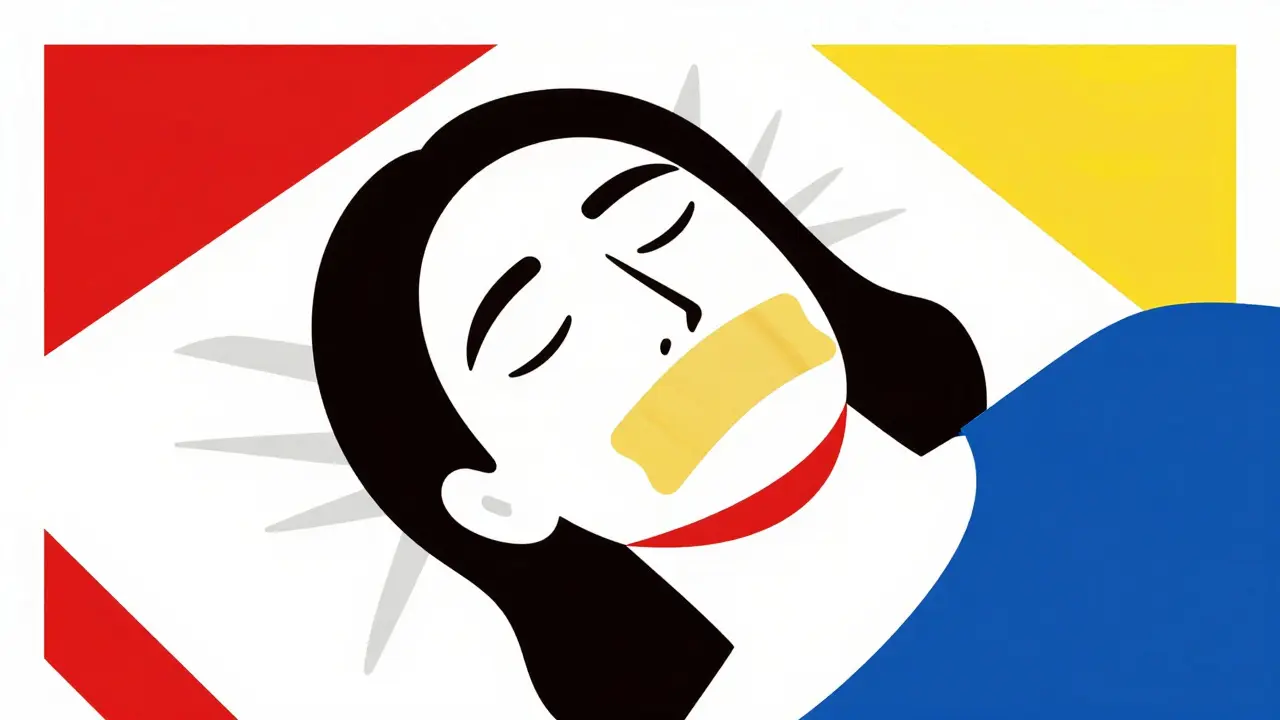
The core problem is that while nasal breathing is generally healthier than mouth breathing, forcing it without a medical diagnosis can be dangerous. If you have an undiagnosed airway obstruction, you aren't just "improving your sleep"-you are potentially cutting off your primary backup oxygen source.
| Feature | Mouth Taping | CPAP Therapy | Mandibular Devices (MAD) |
|---|---|---|---|
| Average Cost | $5 - $15 | $500 - $3,000 | $1,000 - $2,500 |
| Effectiveness | Inconsistent/Low | 85-90% (High) | 40-60% (Moderate) |
| FDA Approval | None for Sleep Apnea | FDA Cleared | FDA Cleared |
| Primary Risk | Oxygen Desaturation | Dry Mouth/Skin Irritation | Jaw Discomfort |
The Science Behind the Trend
Mouth taping is based on the theory that Nasal Breathing is the biological default for human respiration, filtering air and increasing oxygen uptake. When you breathe through your mouth, you bypass these filters and may dry out your oral tissues. However, the leap from "nasal breathing is good" to "taping my mouth shut is safe" is a dangerous one.
A systematic review published in PLOS One is a peer-reviewed open-access scientific journal found that evidence for mouth taping is incredibly thin. After screening 120 articles, researchers found that most studies were of poor quality. While a small NIH study showed that some people with mild Obstructive Sleep Apnea (OSA) saw a 50% reduction in snoring, there was a catch: it only worked for those who could already breathe comfortably through their noses. For the other 25% of participants, the tape was simply intolerable.
Even more concerning is the "mouth puffing phenomenon." Researchers in the Journal of Clinical Sleep Medicine discovered that many people don't actually switch to nasal breathing when taped; instead, they struggle against the tape, causing air to leak out the sides. This doesn't solve the breathing problem-it just adds a struggle for air to an already compromised system.
Real Safety Risks and Red Flags
The most significant danger of mouth taping is the risk of oxygen desaturation. In a June 2023 study, 22% of participants using mouth tape experienced clinically significant drops in blood oxygen levels (SpO2 below 88%), compared to only 4% when they slept normally. When your oxygen drops that low, your heart and brain have to work harder to compensate.
Medical experts are sounding the alarm. Dr. Brian Rotenberg from the London Health Sciences Centre has pointed out that people who don't know they have sleep apnea are essentially putting themselves at a higher risk for heart disease by forcing their bodies to fight for air all night. Similarly, the American Academy of Sleep Medicine is the leading professional organization for sleep medicine professionals has not endorsed this practice as a legitimate treatment.
Beyond the life-threatening risks, there are the daily annoyances. On Reddit's r/SleepApnea community, over half of the users discussing the trend reported negative outcomes. The most common complaints include:
- Waking up gasping for air.
- Severe skin irritation from medical-grade adhesives.
- Increased anxiety and a feeling of claustrophobia during sleep.
- Difficulty clearing nasal congestion during the night.
Who Should Absolutely Avoid Mouth Taping?
If you fall into any of the following categories, the risks of mouth taping far outweigh any perceived benefits. You should avoid this practice entirely if you have:
- Nasal Obstructions: If you have a deviated septum or chronic congestion, you are physically unable to get enough air through your nose. Taping your mouth shuts down your only remaining airway.
- Undiagnosed Snoring: Snoring is often a sign of OSA. Taping your mouth doesn't fix the collapse of your throat tissues; it just hides the noise while your oxygen levels drop.
- Respiratory Conditions: Asthma or COPD can make it difficult to breathe during a sudden flare-up at night. If you can't open your mouth to catch your breath, you're in a dangerous position.
- Anxiety Disorders: The feeling of being "trapped" can trigger nocturnal panic attacks.
Better Alternatives for Better Sleep
If your goal is to stop mouth breathing or reduce snoring, there are ways to do it that don't involve sealing your lips. The key is to focus on opening the nasal passage rather than closing the mouth.
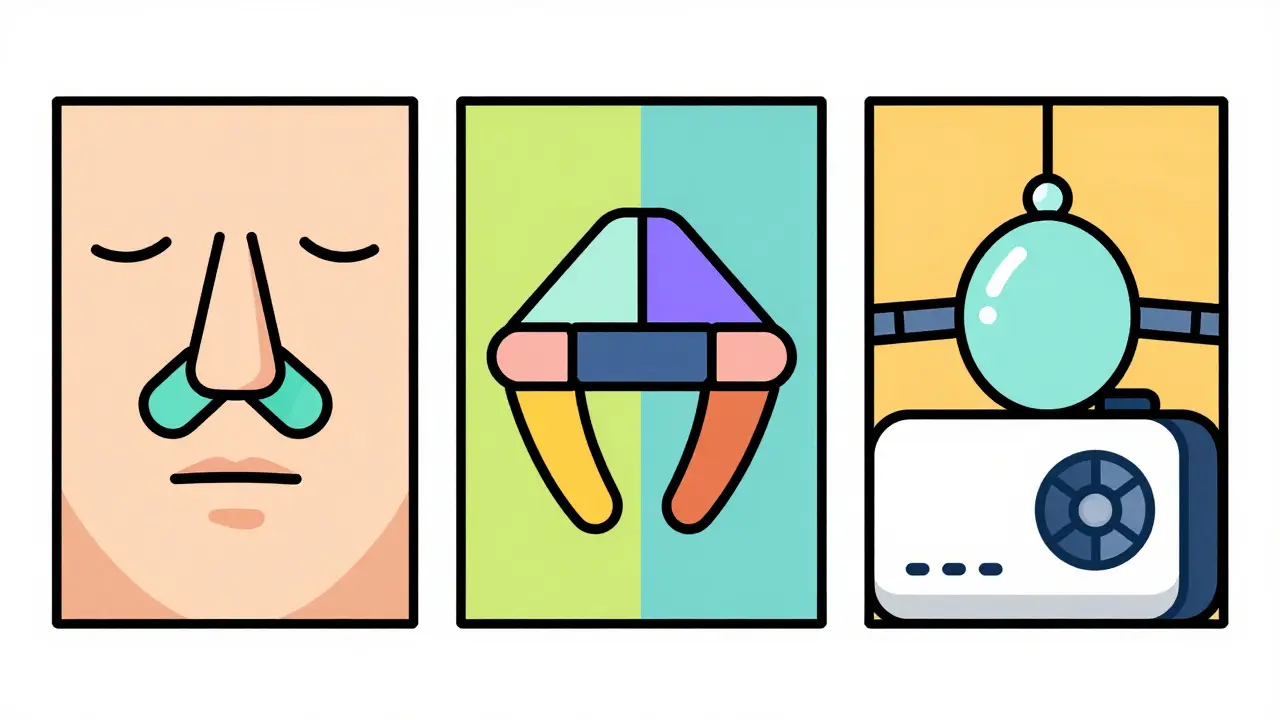
Start with nasal hygiene. Saline rinses or nasal strips can help open the airways. For those with mild to moderate OSA, Mandibular Advancement Devices are custom-fit oral appliances that shift the lower jaw forward to keep the airway open . These have a proven AHI reduction of 40-60% and are far safer than tape.
For severe cases, the gold standard remains the CPAP Machine, which uses continuous positive airway pressure to keep the throat open . While it's more expensive and cumbersome than a piece of tape, it has an 85-90% success rate and is backed by decades of clinical data.
How to Safely Transition to Nasal Breathing
If you are determined to try and improve your nasal breathing, don't jump straight into overnight taping. Instead, follow a gradual, safer approach:
- Daytime Testing: Try breathing exclusively through your nose while awake for 30 minutes. If you feel any shortness of breath, stop immediately.
- Nasal Patency Check: Use a nasal dilator or strip during the day to see if it actually makes breathing easier.
- The Nap Method: If you insist on trying tape, the Cleveland Clinic suggests starting with a 20-minute daytime nap. This allows you to wake up quickly and remove the tape if you feel panicked.
- Use the Right Material: Never use duct tape or strong packing tape. Use hypoallergenic paper tape (like 3M Micropore) that can be ripped away instantly.
Does mouth taping actually cure sleep apnea?
No, it does not. Sleep apnea is caused by the collapse of the airway in the throat or a lack of signal from the brain to breathe. Mouth taping only prevents the mouth from opening; it does nothing to treat the underlying cause of the airway blockage. In some cases, it can make the condition more dangerous by limiting your ability to breathe through your mouth when the airway collapses.
Is it safe to use mouth tape if I just have mild snoring?
While some people with mild snoring report benefits, it is risky if you haven't been screened for sleep apnea. Many people who think they only "snore" actually have mild OSA. You should consult a doctor or get a sleep study before restricting your breathing during sleep.
What tape is best for mouth taping?
If you choose to try it, medical-grade hypoallergenic paper tape (such as 3M Micropore) is the safest choice because it is designed for sensitive skin and is easy to remove. Avoid any industrial adhesives or strong tapes that could tear your skin or be difficult to remove in an emergency.
Can mouth taping help with anti-aging or jawline definition?
These claims are largely anecdotal and popular on social media. There is no clinical evidence that taping your mouth at night significantly alters your bone structure or provides "anti-aging" results. Cosmetic changes usually require long-term orthodontic or surgical intervention, not temporary tape.
What should I do if I wake up gasping for air while using tape?
Remove the tape immediately and stop using it. This is a sign that your body cannot get enough oxygen through your nose alone. You should schedule an appointment with a sleep specialist or a primary care physician to be screened for obstructive sleep apnea or nasal obstructions.