

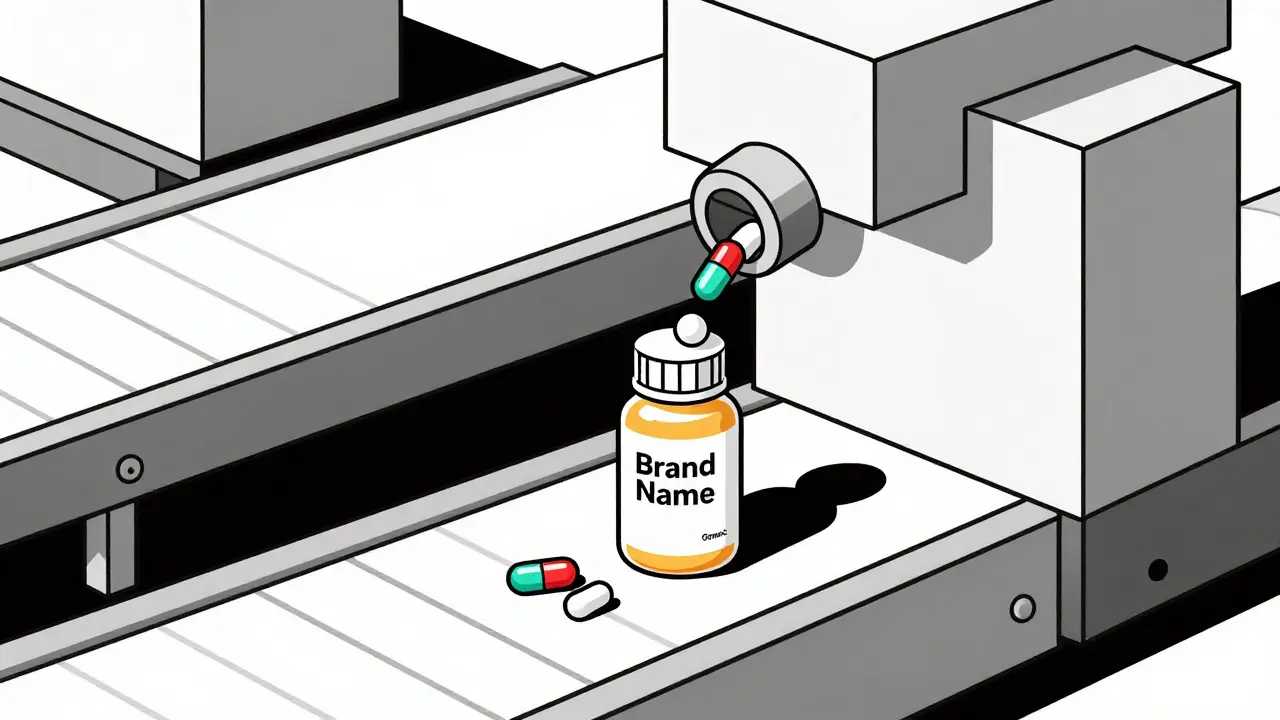
When you walk into a pharmacy and see a pill that looks exactly like the one your doctor prescribed-but costs half as much-you might assume it’s a generic made by a different company. But what if that same pill was made in the exact same factory, using the same ingredients, and packed by the same team that made the brand-name version? That’s not a coincidence. It’s a deliberate strategy called authorized generics.
What Exactly Is an Authorized Generic?
An authorized generic is a version of a brand-name drug produced by the original manufacturer and sold under a different label. It’s not a copy. It’s the same drug, down to the last milligram. The active ingredient, the shape, the color, the coating-even the inactive fillers-are identical. The only difference? The packaging. No brand name. No logo. Just the generic label.
This isn’t some loophole. It’s built into U.S. law. The Hatch-Waxman Act of 1984 created a system where generic drugs could enter the market after patents expire. But it also let the original company play along. Instead of watching their drug get crushed by 10 competitors slashing prices, they launch their own generic version. It’s like a company selling its own knockoff to keep customers from leaving.
Why Do Brands Do This?
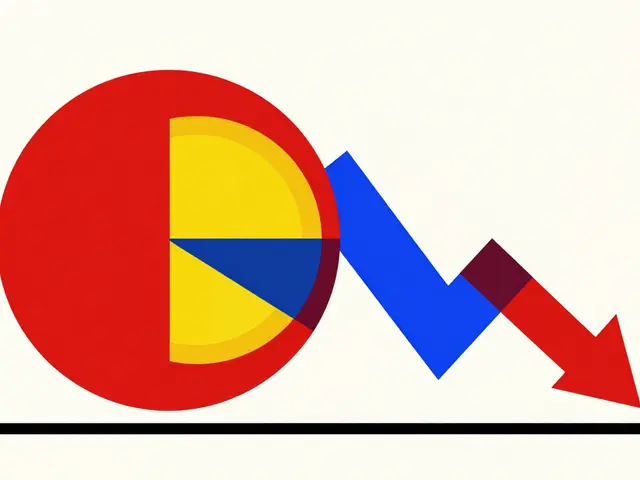
When a patent expires, the price of a drug can drop 80-85% in a year. That’s not just a loss-it’s a collapse. A drug that sold for $100 a pill might suddenly be $15. If you’re the company that spent $2 billion developing it, that’s devastating.
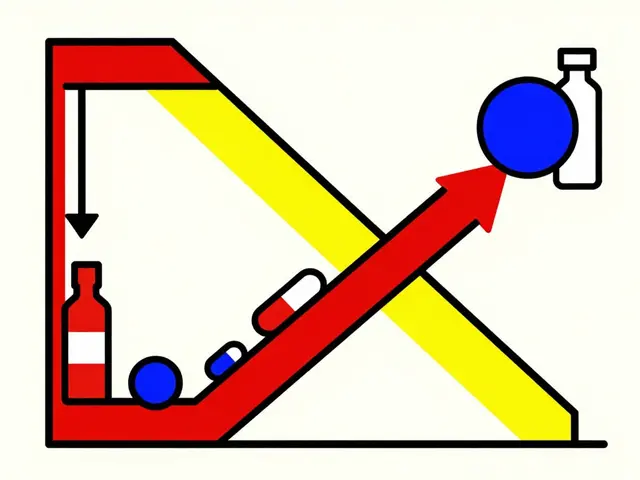
By launching an authorized generic, the brand manufacturer keeps control. They don’t have to rely on some other company to make it right. They don’t risk quality issues. And they still get to sell it-just under a cheaper label. In fact, they often capture 15-35% of the generic market within the first year. That’s not nothing. It means they keep millions in revenue instead of losing it all.
Take Eli Lilly’s Cialis. When its patent expired in 2018, Lilly rolled out its own authorized generic. Even though other companies jumped in, Cialis still made 78% of the total revenue for that drug. Why? Because patients trusted it. Doctors trusted it. Pharmacists didn’t have to explain why this new pill was different.
How Is It Made?
The process is shockingly simple-because it doesn’t need to be complicated.
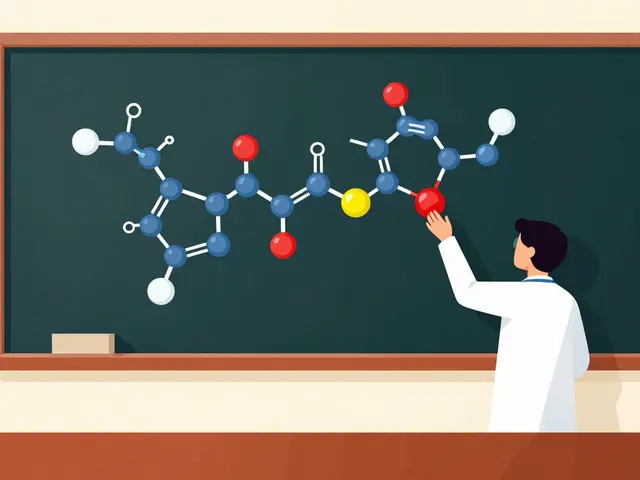
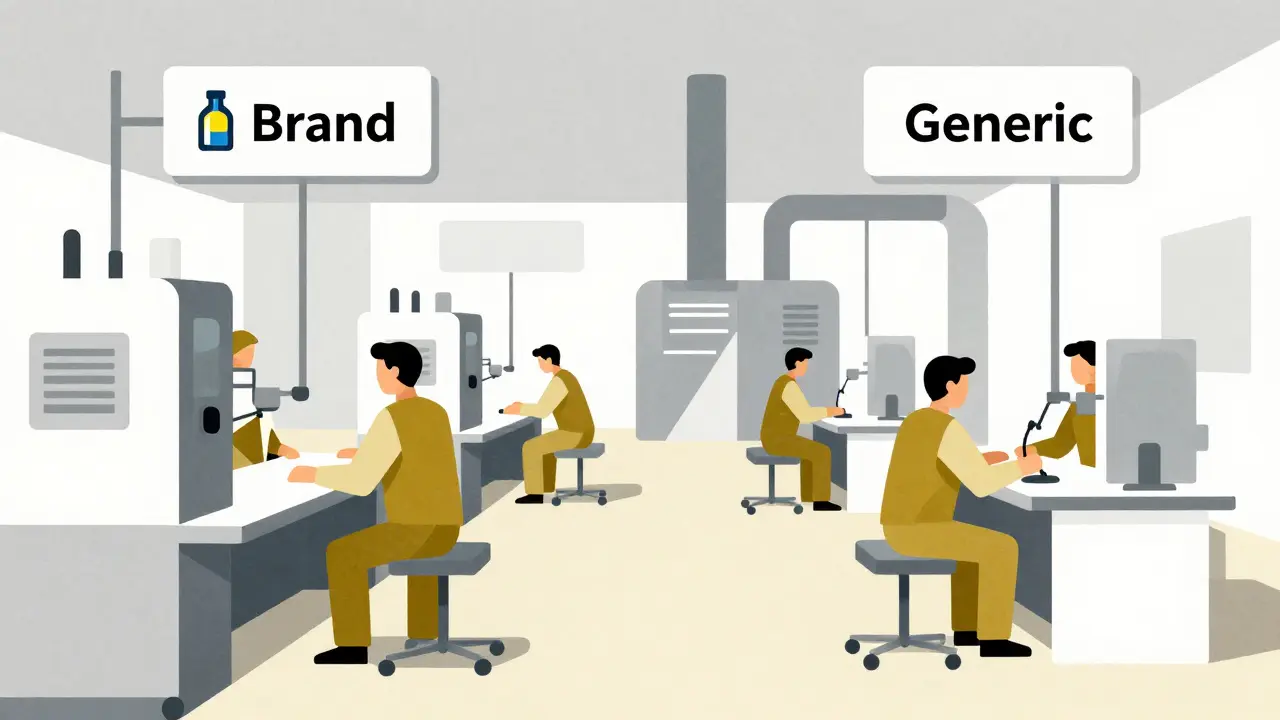
The same factory. The same machines. The same batch of active ingredient. The same quality checks. The only change? The label gets swapped out. The FDA doesn’t require new clinical trials because the company already proved the drug works. They just file a streamlined application called an ANDA (Abbreviated New Drug Application) and switch production lines.
Compare that to a traditional generic manufacturer. They have to build a whole new facility. Get it inspected. Prove their version is just as good. That can take 17 months. For the brand manufacturer? It’s 6-9 months. They’re already there. They’ve been making it for years.
And here’s the twist: they don’t have to wait for the first generic to get its 180-day exclusivity. They can launch on day one. That’s a huge advantage. In 2019, Teva launched its own authorized generic of Copaxone the exact day the patent expired. They grabbed 22% of the market in the first quarter. Competitors? They were still waiting for inspections.
Is It Cheaper for Patients?
Here’s where things get messy.
Authorized generics are cheaper than the brand-but not always by much. They’re often priced 10-15% below the brand name but 5-10% above the competition. So if the brand costs $85, the authorized generic might be $75, while the regular generic is $30. That’s not a huge discount. And patients don’t always know the difference.
A 2023 Kaiser Family Foundation survey found 71% of patients preferred authorized generics because they looked familiar. But 64% had no idea they were made by the same company. That’s not transparency. That’s confusion.
Pharmacists report patients asking, "Why is this generic more expensive than the other one?" And the answer? Because it’s not really a generic. It’s the brand in disguise.
On Reddit, a thread about this strategy got 147 comments. Over half said it felt like a trick. One user wrote: "I switched to the generic because I couldn’t afford the brand. Then I found out my pharmacy was selling me the exact same pill for $5 less. I felt stupid."
Who Benefits?
Not everyone.
Brand manufacturers? They win. They keep market share. They keep profits. They avoid chaos.
Pharmacies and insurers? They benefit too. Authorized generics are easier to manage. No new suppliers. No new paperwork. Just a different label on the same bottle.
But what about patients? The data shows mixed results. A 2022 JAMA study found that when authorized generics entered the market, prices dropped only 32% on average. When traditional generics entered, prices dropped 68%. That’s a huge gap. The FTC has even sued companies for using authorized generics to delay real competition.
In 2017, the FTC won a $448 million settlement against Actavis for using its own authorized generic to block rivals from entering the market for Namenda. The court said it wasn’t competition-it was a tactic to freeze out others.
The Bigger Picture
This isn’t going away. Between 2023 and 2027, $250 billion worth of brand-name drugs will lose patent protection. That’s a tsunami of generics coming. And the big players? They’re already preparing.
Johnson & Johnson launched an authorized generic of Invega Sustenna in 2023-the first for a long-acting injectable. That’s a big deal. Injectables are harder to copy. By making their own generic, they control the process. Novartis is doing something even smarter: they’re planning their brand drugs to become authorized generics before the patent even expires. It’s called a "dual launch." They’re not just reacting-they’re engineering the transition.
By 2027, analysts predict authorized generics will make up 25-30% of the entire generic drug market. That’s up from 18% in 2022. And it’s not just pills anymore. Biosimilars-complex biologic drugs-are starting to follow the same path. Amgen launched the first authorized biosimilar in 2023. If this trend holds, we’re heading toward a world where the same company sells you the same drug under two different names.
What Should You Do?
If you’re on a medication that just went generic, ask your pharmacist: "Is this the authorized version?" If it is, you’re getting the same pill. But you might be paying more than you need to. Compare prices. Sometimes the regular generic is half the cost.
If you’re a patient who relies on a specific brand, and you notice the pill looks different-even if it says "generic"-check with your doctor. It might be an authorized version. And that’s fine. But know what you’re getting.
And if you’re wondering why this exists? It’s simple. Companies don’t want to lose money. So they made a system where they can still sell their own drug-even after the patent expires. And in a world where drug prices are under scrutiny, that’s not just smart business. It’s survival.
Are authorized generics the same as regular generics?
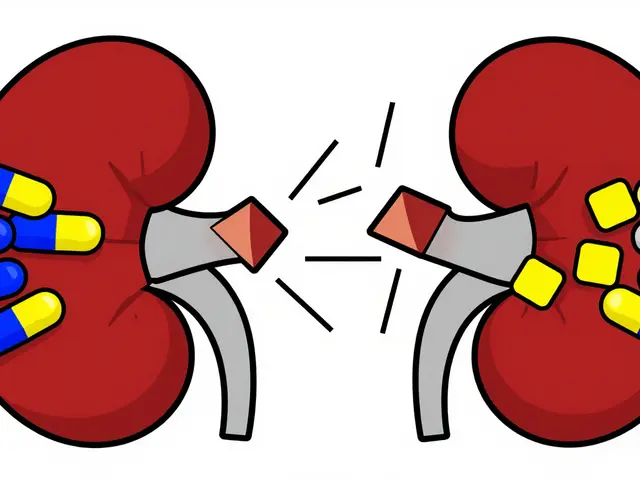
Yes and no. Authorized generics are made by the original brand manufacturer and are identical in every way to the brand-name drug-same ingredients, same factory, same process. Regular generics are made by other companies and must prove they’re bioequivalent, but they may use different fillers or manufacturing methods. The only difference in an authorized generic is the label.
Why are authorized generics sometimes more expensive than regular generics?
Because they’re not trying to be the cheapest option. The brand manufacturer sets the price just below their own brand but above competing generics. This lets them keep some profit while still appearing to offer savings. A regular generic, made by a company with lower overhead, can undercut them by 30-50%.
Is it safe to switch to an authorized generic?
Absolutely. Since it’s made in the same facility with the same formula, there’s no risk in switching. Many patients report no change at all in how the drug works or how they feel. In fact, some prefer it because it’s exactly what they’ve been taking for years.
Can authorized generics delay real generic competition?
Yes, and that’s why regulators have stepped in. By launching their own generic on day one, brand manufacturers can block the 180-day exclusivity period meant for the first true generic competitor. The FTC has fined companies for using this tactic to stifle competition, calling it anti-competitive behavior.
Do all drug companies use this strategy?
Not all, but most big ones do. Between 2018 and 2022, 68% of the top 50 brand-name drugs that lost patents had authorized generic versions launched by their makers. Companies like Pfizer, Teva, Eli Lilly, and Johnson & Johnson rely on this strategy to protect revenue. Smaller companies often don’t have the resources to manage it.


Write a comment