

When you pick up a prescription, you might see a red or yellow pop-up on the pharmacy screen saying "Allergy Alert: Penicillin". It sounds scary. But here’s the truth: more than 90% of those alerts are wrong. Or at least, they’re not as dangerous as they look.
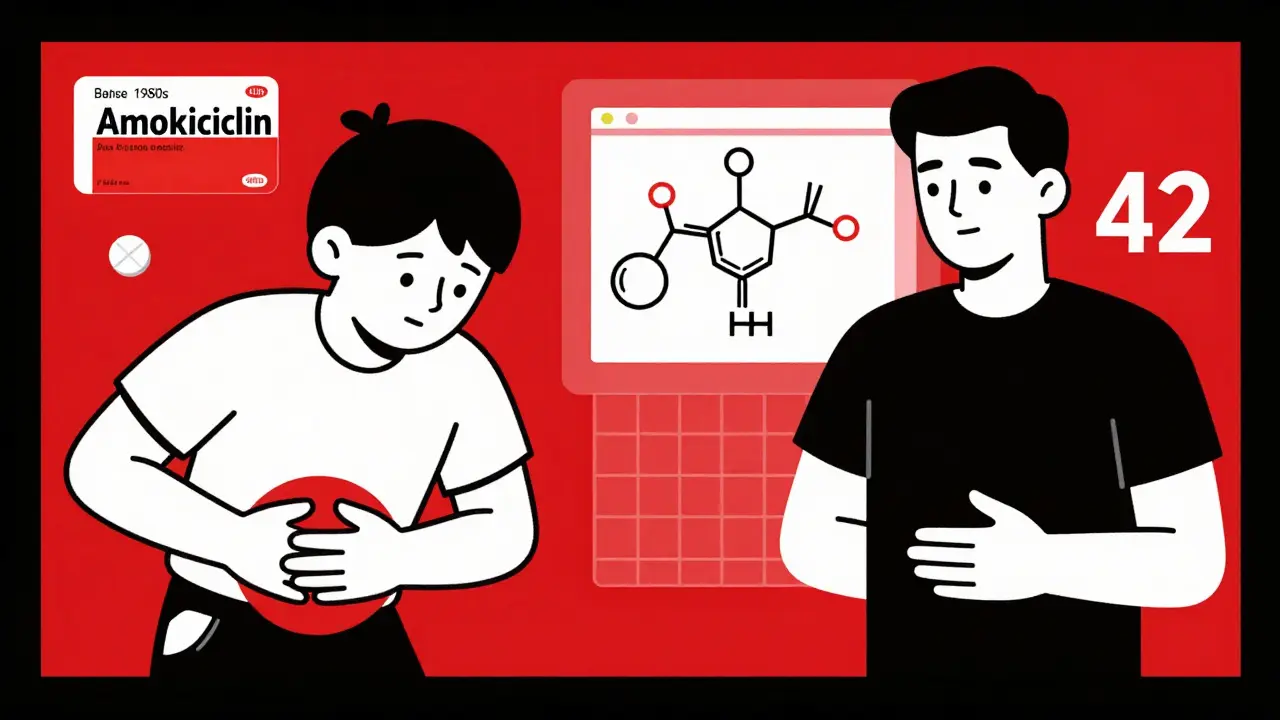
You’re not alone if you’ve seen this happen. A nurse in Sydney told me last week that she overrides five or six allergy alerts every shift - not because she’s careless, but because most of them are noise. One patient had a stomach ache after taking amoxicillin as a kid. Now, at 42, they’re being flagged for every antibiotic that even sounds like penicillin. That’s not safety. That’s alert fatigue.
What Exactly Is an Allergy Alert?
An allergy alert is a warning built into hospital and pharmacy computer systems. When a doctor writes a prescription or a pharmacist fills it, the system checks the drug against the patient’s recorded allergies. If there’s a match - or even a possible match - it pops up. These systems have been around since the late 1990s. Today, nearly every pharmacy in Australia and the U.S. uses them.
But here’s what most people don’t know: these systems don’t understand real allergies. They understand labels. If your chart says "penicillin allergy," the system thinks you’re allergic to everything in the penicillin family - amoxicillin, ampicillin, even some cephalosporins. And it doesn’t care if you took penicillin five times in your 20s without a problem. It just sees the label.
Definite vs. Possible Allergy Alerts
There are two kinds of alerts you’ll see:
- Definite allergy alerts - These happen when the drug matches exactly or belongs to the same class as a documented allergy. For example, if you’re listed as allergic to penicillin and someone orders amoxicillin, you’ll get a strong alert.
- Possible allergy alerts - These are cross-reactivity warnings. They’re based on theory, not evidence. For instance, if you’re allergic to penicillin, some systems will warn you about ceftriaxone (a cephalosporin), even though the real risk of cross-reaction is less than 2%.
According to a 2020 study in the Journal of Allergy and Clinical Immunology: In Practice, 90% of all allergy alerts are possible alerts - not definite ones. That means most warnings aren’t about something you’ve actually reacted to. They’re about what the system thinks you might react to.
What Does "Allergy" Really Mean?
Here’s the biggest misunderstanding: not every bad reaction is an allergy.
A true allergic reaction involves your immune system. It’s IgE-mediated. That means hives, swelling, trouble breathing, anaphylaxis - things that happen fast, usually within minutes to hours after taking the drug. These are rare. Only about 5-10% of all drug reactions are true allergies.
The other 90-95%? Those are side effects. Nausea from metformin? That’s not an allergy. Dizziness from lisinopril? Not an allergy. A rash from vancomycin? Could be, but it’s often just "red man syndrome" - a harmless flushing reaction, not an immune response.
But here’s the problem: patients don’t always know the difference. They say, "I had a rash after penicillin," and the doctor writes "penicillin allergy." The system takes that at face value. No context. No details. Just a label.
Why Are Alerts So Wrong?
Three big reasons:
- Overly broad classifications - Systems treat all penicillins as the same. They assume if you’re allergic to one, you’re allergic to all. But that’s outdated science. Third- and fourth-generation cephalosporins have almost no cross-reactivity with penicillin. Yet most systems still warn you.
- Bad documentation - A 2021 NIH study found that 47% of EHR systems don’t record the type or severity of the reaction. So if you had a headache after amoxicillin, the system doesn’t know it wasn’t a rash or swelling. It just sees "allergy."
- One-size-fits-all alerts - A mild rash and anaphylaxis both trigger the same red alert. That’s why doctors ignore them. If every warning screams "life-threatening," you stop listening.
At a hospital in Melbourne last year, a pharmacist found that 17 out of 20 "penicillin allergy" alerts were for patients who had taken penicillin without issue as adults. One patient had been flagged for penicillin because they got a stomach ache at age six. They’d taken amoxicillin twice since then - no problem. But the system didn’t care.
How to Actually Read an Alert
When you see an alert, don’t just click "OK." Stop. Ask yourself:
- What was the reaction? Was it hives? Swelling? Trouble breathing? Or just nausea, diarrhea, or a headache?
- When did it happen? Did it occur within an hour of taking the drug? Or days later? Immediate reactions are more likely to be allergic.
- Was it documented by a doctor? Or did a nurse just copy-paste "allergy" from an old note?
- Is this a definite match or a cross-reactivity warning? If it’s cross-reactivity, check the drug class. Are we talking about a 1st-gen cephalosporin (higher risk) or a 3rd-gen (very low risk)?
For example: If you’re flagged for a cephalosporin because of a "penicillin allergy," look up which generation it is. A 3rd-gen like ceftriaxone or cefixime has less than 1% cross-reactivity with penicillin. That’s lower than the risk of being struck by lightning.

What Should You Do?
You’re not just a patient. You’re part of the safety chain.
- Know your own history. Did you ever have a true allergic reaction? Or was it just a side effect? Write it down. Be specific: "Rash after amoxicillin at age 8 - no swelling, no breathing issues."
- Ask for a review. If you’ve been labeled "allergic" to a drug you’ve taken multiple times without issue, ask your doctor to re-evaluate. Many people are mislabeled. A simple skin test or oral challenge can clear you in minutes.
- Update your records. If you’ve had a reaction, make sure it’s documented with details. Say "mild rash" instead of just "allergy." That helps the system give you better warnings.
- Don’t assume the system is right. If an alert seems off, trust your gut. If you’ve taken this drug before and felt fine, say so. You know your body better than the algorithm.
Why This Matters - And Why It’s Getting Better
These alerts were meant to save lives. And they do - when they’re right. In hospitals, properly used systems reduce serious drug reactions by 17%. But when they’re wrong, they do harm. Patients get denied effective drugs. They’re forced into more expensive, less effective alternatives. Or worse - they’re given drugs they’re truly allergic to because the system’s noise drowned out the real danger.
Thankfully, things are changing. New systems like Epic’s "Allergy Relevance Scoring" use machine learning to predict which alerts are actually important. They look at your history: have you taken this drug before? Did you override similar alerts? Did you have a true reaction? If so, the alert gets downgraded.
Some hospitals now require doctors to pick a reaction type - "anaphylaxis," "rash," "nausea," "none" - before saving an allergy. That alone cut unnecessary alerts by 51% in a 2022 NIH study.
By 2026, most major systems will use risk-stratified alerts: red for true anaphylaxis, yellow for mild reactions, and no alert for non-immune side effects. That’s the future.
Final Thought: You’re the Missing Link
Technology can’t replace human judgment. An alert is a tool - not a rule. It’s there to remind you to think, not to make the decision for you.
If you’re a patient: speak up. Clarify your history. Ask questions. Don’t let a computer label you for life based on a childhood stomach ache.
If you’re a clinician: pause before you override. Ask: "Is this a real risk, or just noise?" And if you’re unsure - check the details. Talk to the patient. Look up the reaction.
The system isn’t broken. It’s just badly trained. And you’re the one who can help fix it.


Write a comment