
Opioid-Induced Testosterone Assessment Tool
How This Tool Works
Enter your morning testosterone test results to see if your levels are in the normal range (300-1000 ng/dL) or if you may have opioid-induced androgen deficiency (OPIAD). This tool is based on clinical guidelines and research from the article.
Your Results
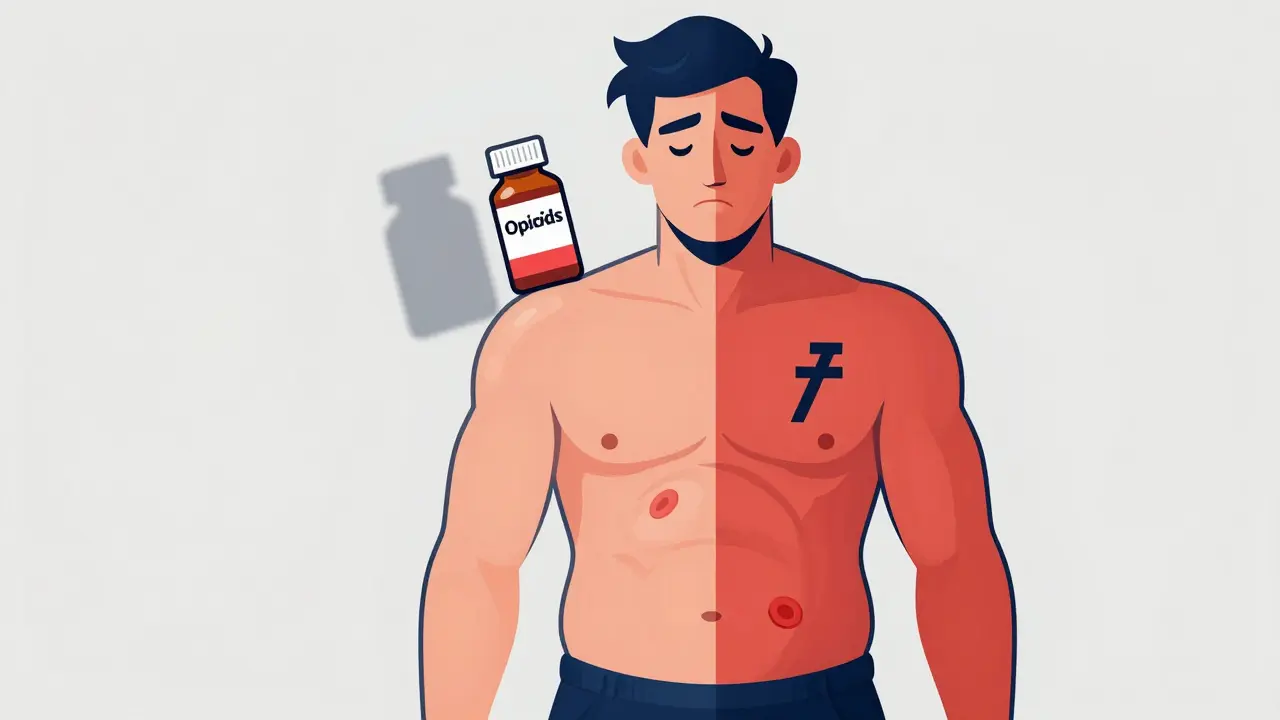
Long-term opioid use doesn’t just cause pain relief - it can quietly shut down your body’s natural testosterone production. This condition, called Opioid-Induced Androgen Deficiency (OPIAD), affects between 50% and 90% of men on chronic opioid therapy. Yet most doctors don’t screen for it, and many patients never connect their fatigue, low sex drive, or mood swings to their pain medication. If you’ve been on opioids for more than three months and feel like your body has slowed down, this isn’t just in your head - it’s biological.
How Opioids Kill Testosterone
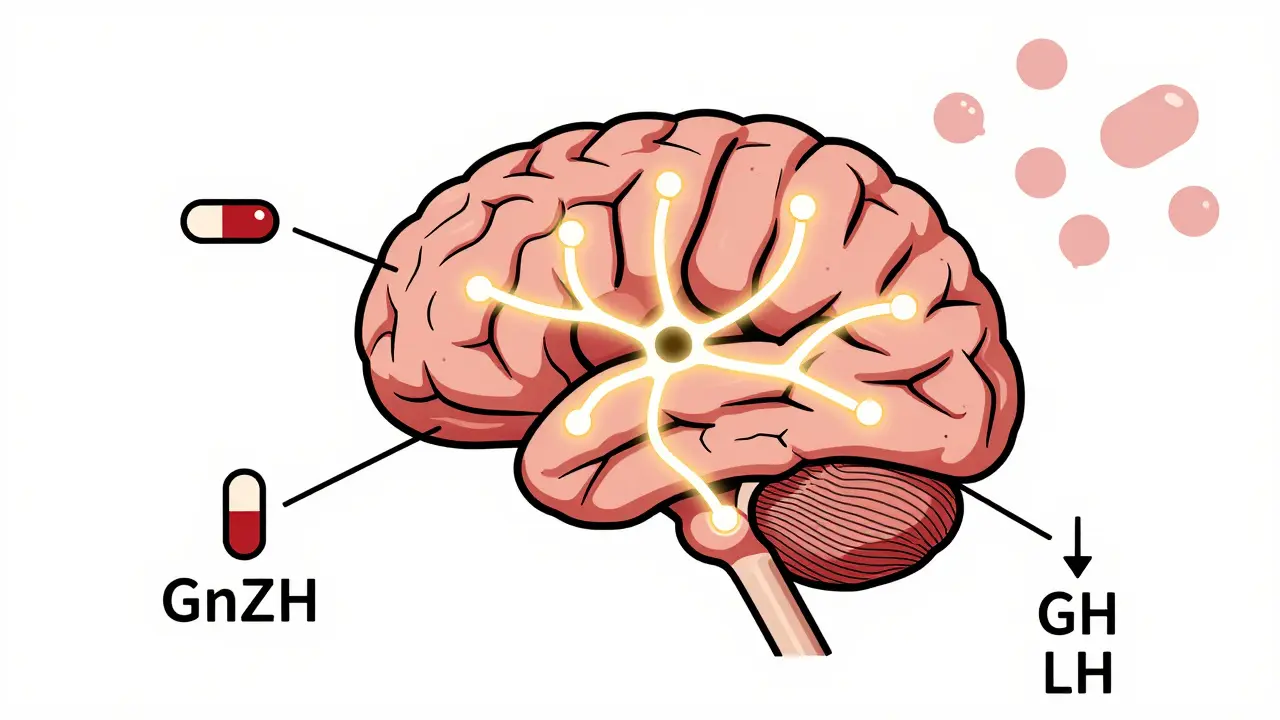
Opioids don’t directly attack the testes. They hit the brain first - specifically, the hypothalamus and pituitary gland, which control hormone production. When you take opioids regularly, they bind to receptors in the hypothalamus and suppress the release of gonadotropin-releasing hormone (GnRH). Without GnRH, the pituitary stops sending out luteinizing hormone (LH), which is the signal that tells the testes to make testosterone. The result? Testosterone levels drop - sometimes by half.
This isn’t random. It happens consistently with long-acting opioids like methadone and buprenorphine, which are often used for chronic pain or addiction treatment. A 2019 study in JAMA Network Open found that men on methadone had average testosterone levels of just 245 ng/dL - well below the normal range of 300-1000 ng/dL. Those on buprenorphine did better, averaging 387 ng/dL, but still far below healthy levels. The longer you’re on opioids, the worse it gets. After one year, testosterone can be 50-75% lower than before you started.
What Symptoms to Watch For
The signs of low testosterone from opioids aren’t subtle. They creep in slowly, and many people blame stress, aging, or just ‘getting older.’ But if you’re on opioids and notice these changes, it’s worth getting tested:
- Low libido - 68-85% of affected men report little to no interest in sex
- Erectile dysfunction - happens in 60-75% of cases, even in younger men
- Chronic fatigue - fatigue scores are 2.5 times higher than normal
- Mood changes - increased irritability, depression, and brain fog
- Loss of muscle mass and increased belly fat
- Bone weakness - up to 20% reduction in spine bone density
- Anemia - hemoglobin levels often drop to 12.3 g/dL (normal is 14-18 g/dL)
These symptoms usually appear after 3-6 months of continuous opioid use. For some, it’s the fatigue that pushes them to see a doctor. For others, it’s the loss of sexual function. Either way, if you’re experiencing more than one of these, OPIAD is likely the culprit.
Testing for Low Testosterone
Don’t rely on how you feel alone. A blood test is the only way to confirm low testosterone. But timing matters. Testosterone levels peak in the morning, so testing should be done between 7 and 10 a.m. You’ll need two low readings at least a week apart to diagnose hypogonadism - one test isn’t enough.
The test should measure both total testosterone and free testosterone. Free testosterone is the active, unbound form your body actually uses. Some men have normal total levels but low free testosterone due to high sex hormone-binding globulin (SHBG), which is common in obesity and insulin resistance - both of which can also be worsened by opioids.
Doctors should also check LH and FSH levels. If LH is low or normal while testosterone is low, it points to a brain-based problem (like OPIAD), not a testicular failure. This helps rule out other causes like primary hypogonadism.
Treatment: Testosterone Replacement Therapy (TRT)
If you’re diagnosed with OPIAD, testosterone replacement therapy (TRT) is the most effective treatment. Multiple studies show it reverses the damage:
- Sexual function improves - IIEF scores jump from 12.5 to nearly 20 in six months
- Pain sensitivity drops - TRT users report 30% less hyperalgesia
- Body composition improves - lean mass increases by 3.2 kg, fat mass drops by 2.1 kg
- Mortality risk falls - TRT users had 49% lower all-cause death risk in one study
- Bone density and anemia improve - fracture risk drops by 35%
TRT comes in several forms:
- Injections - testosterone cypionate or enanthate, 100-200 mg every 1-2 weeks
- Gels - 50-100 mg daily applied to skin (arms, shoulders, abdomen)
- Patches - 5-7.5 mg daily, worn on skin
- Buccal tablets - 30 mg twice daily, stuck to the gum
Each has pros and cons. Gels are easy but can rub off on partners. Injections give steady levels but require needles. Patches can irritate skin. Your doctor will pick based on your lifestyle, cost, and tolerance.
Target levels? Keep total testosterone between 350-750 ng/dL. Too high can cause problems. Too low won’t help. Blood tests every 3-6 months after starting, then yearly, are essential.
When TRT Isn’t Safe
TRT isn’t for everyone. The FDA requires a black box warning: testosterone can increase the risk of heart attack, stroke, and blood clots. It’s strictly off-limits if you have:
- Prostate cancer or suspected prostate cancer
- Breast cancer
- Severe heart failure
- Untreated sleep apnea
Even if you’re clear, you still need monitoring. TRT can cause:
- Polycythemia - red blood cell count rises in 15-20% of users
- Lower HDL (‘good’) cholesterol - drops 10-15 mg/dL
- Acne - affects about 25% of gel users
- Worsening sleep apnea
Men over 50 or with family history of prostate cancer need PSA tests every 6 months. If PSA rises more than 1.4 ng/mL in a year, further evaluation is needed.
Non-Drug Ways to Boost Testosterone
Even if you’re on TRT, lifestyle changes help - and they’re essential if you’re not a candidate for replacement therapy.
- Maintain a healthy weight - BMI under 25 is linked to 20-30% higher testosterone
- Do resistance training - three sessions a week can lift testosterone by 15-25%
- Sleep 7-9 hours - poor sleep cuts testosterone by 15-20%
- Avoid smoking - smokers have 15-20% lower levels
- Limit alcohol - more than 14 drinks a week drops testosterone by 25%
- Manage blood sugar - diabetics have 25-35% lower testosterone
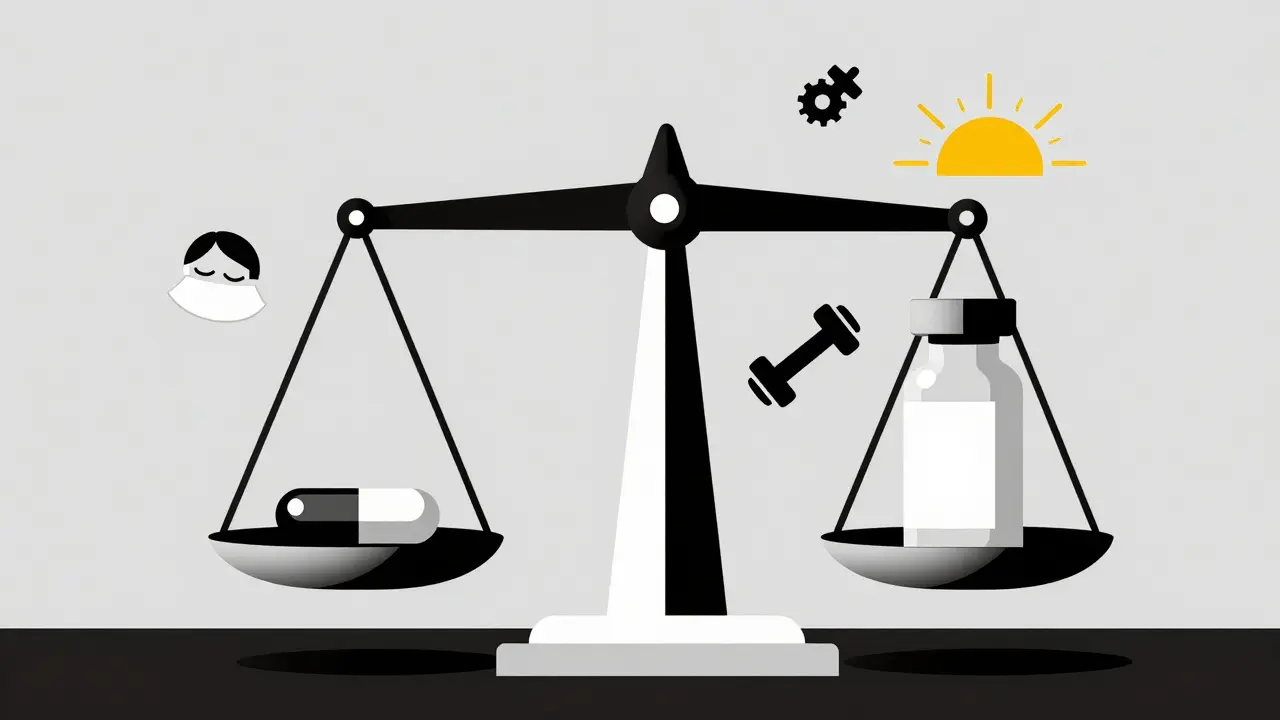
These aren’t magic fixes - they won’t fully reverse OPIAD on their own - but they make TRT work better and reduce side effects. They also help if you’re planning to taper off opioids someday.
The Bigger Picture
Over 58 million people used opioids globally in 2022. Even if only half of them developed OPIAD, that’s millions of men living with untreated low testosterone - and most don’t know why they feel so tired, depressed, or disconnected from their bodies.
The medical community is slowly catching up. The Pain Physician journal urged doctors in 2012 to screen for hypogonadism in anyone on long-term opioids. But screening still isn’t routine. Many primary care doctors don’t know to ask. Addiction specialists focus on sobriety, not hormones. Pain clinics prioritize pain control, not sex drive.
This needs to change. OPIAD isn’t a side effect you just live with. It’s a treatable condition that impacts quality of life, physical health, and even survival.
What to Do Next
If you’re on opioids and feel off:
- Write down your symptoms - libido, energy, mood, sleep, body changes
- Ask your doctor for a morning testosterone test (total and free)
- Request LH and FSH levels to confirm it’s brain-related
- Discuss TRT options - don’t assume it’s too risky
- Start lifestyle changes now - weight, sleep, exercise
- Ask about a referral to an endocrinologist if your doctor is unsure
You don’t have to accept fatigue and low sex drive as part of living with chronic pain. Your hormones matter. Your body still has the capacity to heal - even while you’re on opioids.
Can opioids cause permanent low testosterone?
In most cases, no. Testosterone levels usually bounce back after stopping opioids, especially if you’re young and healthy. But if you’ve been on high-dose opioids for years, especially with poor lifestyle habits, recovery can take months or even over a year. Some men need short-term TRT to help their body restart natural production. Permanent damage is rare but possible if testosterone stays low for years without treatment.
Does buprenorphine cause less low testosterone than methadone?
Yes. Studies consistently show that men on buprenorphine have significantly higher testosterone levels than those on methadone. Methadone suppresses testosterone more deeply and consistently. Buprenorphine still causes suppression - but it’s often mild enough that some men don’t need TRT. Still, testing is recommended for anyone on either drug for more than 90 days.
Can women on opioids also have low testosterone?
Yes, though it’s less studied. Women produce testosterone too - it’s important for libido, energy, and muscle. Opioids can suppress it, leading to low sex drive and fatigue. Some doctors use DHEA supplementation in women with OPIAD, but evidence is limited. Testing free testosterone and DHEA-S levels is recommended for women with symptoms.
Is TRT addictive?
No. Testosterone replacement therapy is not addictive in the way opioids are. It doesn’t cause euphoria, cravings, or withdrawal in the same sense. However, your body will stop making its own testosterone while on TRT. If you stop abruptly, you may feel fatigued or depressed for weeks until your body restarts production. That’s why tapering under medical supervision is important.
Can I take TRT while still using opioids for pain?
Yes - and it’s often recommended. TRT doesn’t interfere with pain relief from opioids. In fact, studies show it can improve pain tolerance and reduce the need for higher opioid doses. Many patients report better mood and motivation, which helps with pain management overall. Always work with a doctor who understands both pain and endocrine care.
How long should I stay on TRT?
There’s no fixed timeline. If you stop opioids and your testosterone returns to normal, you may be able to stop TRT. But if you need long-term opioid therapy - for chronic pain or addiction treatment - TRT may be a lifelong necessity. The goal isn’t to get off TRT at all costs. It’s to maintain healthy hormone levels so you can live better, feel stronger, and reduce long-term health risks.
Final Thoughts
Opioids save lives - but they also come with hidden costs. Low testosterone is one of the most overlooked. It’s not a weakness. It’s a physiological side effect, just like constipation or drowsiness. But unlike those, it can silently damage your muscles, bones, heart, and mental health.
If you’re on long-term opioids and feel like you’re running on empty, ask for a blood test. Don’t wait for your doctor to bring it up. Bring it up yourself. Your body still has the power to recover - you just need to give it the right signals.


Write a comment