
When a brand-name drug’s patent is about to expire, the promise of lower prices kicks in-thanks to generic competitors. But what if the brand company itself launches a generic version of its own drug? That’s not a glitch. It’s a strategy called an authorized generic, and it’s reshaping how competition works in the pharmaceutical industry.
What Exactly Is an Authorized Generic?
An authorized generic is the exact same drug as the branded version-same active ingredient, same dosage, same manufacturer-but sold under a generic label and often at a lower price. It’s not a knockoff. It’s the real thing, just repackaged. The brand company produces it, either directly or through a subsidiary, and slips it into the market right when the first generic challenger is supposed to get its 180-day exclusivity window. The FDA allows this because the drug doesn’t need new approval. It’s already been cleared under the original New Drug Application. All the brand company needs is a supplemental filing to relabel it. No clinical trials. No new data. Just a new box and a new name. This isn’t a loophole. It’s a feature of the Hatch-Waxman Act of 1984, which was meant to speed up generic access. But over time, it became a tool for brand companies to protect profits-even when they lose in court.How Authorized Generics Kill the First-Mover Advantage
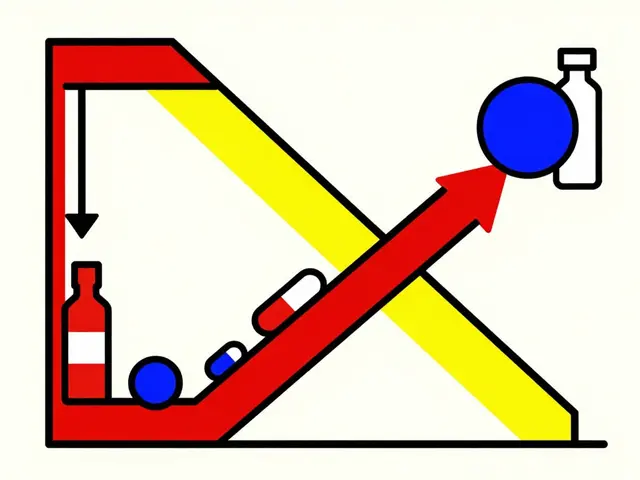
The Hatch-Waxman Act gives the first generic company that successfully challenges a patent a 180-day monopoly on selling the generic version. That’s supposed to be their reward for taking the legal risk. But when the brand company drops its own authorized generic into the market during that window, it shatters that advantage. The FTC found that when an authorized generic enters, it grabs 25-35% of the market share within weeks. That’s not small change. It means the first generic company, which spent millions on litigation and manufacturing, suddenly has to split its customer base with a product that’s identical but carries the brand’s weight. Worse, the authorized generic doesn’t drop to the rock-bottom price of a true generic. It’s priced just below the brand drug-say, 15-20% cheaper-but still 25-30% above what the independent generic can afford to charge. This creates a pricing tier: brand at the top, authorized generic in the middle, and the real generic at the bottom. Consumers and pharmacies often pick the middle option, thinking they’re getting a deal, not realizing they’re still paying more than necessary. The result? The first generic’s revenue drops by 40-52% during its exclusivity period. And the damage doesn’t stop after 180 days. In the three years that follow, those companies earn 53-62% less than they would have if no authorized generic had entered.The Settlement Trap: Paying to Delay Competition
Here’s where things get shady. In many cases, the brand company doesn’t just launch an authorized generic. It strikes a deal with the generic challenger: “Don’t sue us, and we won’t launch our own generic.” These are called reverse payment settlements-and they’re exactly what they sound like: the brand pays the generic company to stay out of the market. Between 2004 and 2010, about 25% of patent settlements involving first-filer generics included promises not to launch an authorized generic. These deals delayed generic entry by an average of 38 months. That’s over three years of monopoly pricing on drugs worth billions. The FTC calls this the most egregious form of anti-competitive behavior in pharma. It’s not just about keeping prices high-it’s about twisting the Hatch-Waxman Act’s incentive structure. The whole point of the 180-day exclusivity was to reward companies that took on the legal risk. But if the brand company can just buy off the challenger and still launch its own version, that incentive evaporates. Teva, one of the biggest generic makers, reported a $275 million revenue loss in 2018 from authorized generics alone. Smaller generic firms? Many couldn’t survive the hit. The result? Fewer companies are willing to challenge patents on lower-revenue drugs-those with annual sales under $27 million. For these, the risk of an authorized generic makes litigation too costly to even try.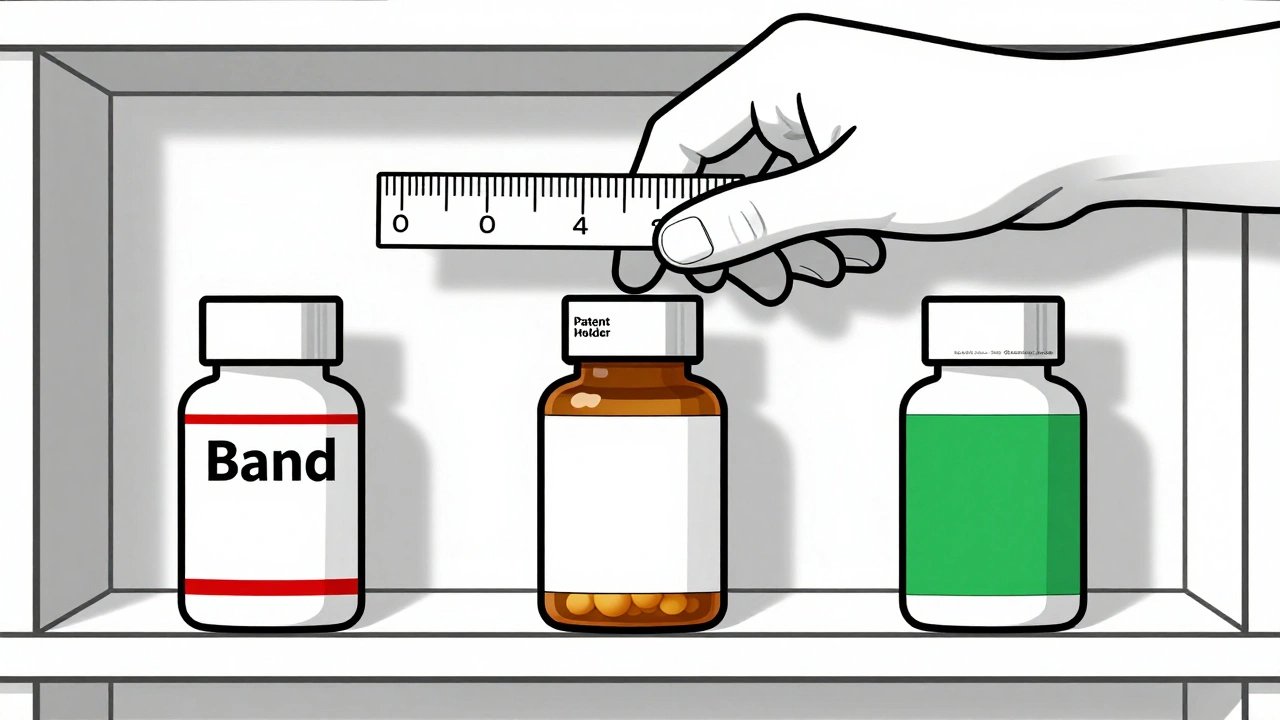
Who Benefits? Who Gets Hurt?
Brand companies say authorized generics help consumers by introducing price competition right away. They point to a 2022 Health Affairs study that found pharmacy invoice prices dropped 13-18% when an authorized generic was available. But that’s misleading. The drop is real-but it’s not because the generic got cheaper. It’s because the brand’s own product was priced lower to compete with itself. The real savings? They’re buried. Pharmacy benefit managers (PBMs) like the idea because they get more pricing options. But patients? They rarely see the difference. Most don’t know whether they’re getting the brand, the authorized generic, or the true generic. Insurers and Medicaid programs pay more than they should because the market is artificially segmented. Meanwhile, independent generic manufacturers are getting squeezed out. The Generic Pharmaceutical Association (now the Association for Accessible Medicines) has repeatedly warned Congress that authorized generics undermine the entire purpose of Hatch-Waxman. They’re not just competing-they’re being replaced by the very companies that were supposed to be their targets.The Regulatory Crackdown
The FTC has been fighting this for years. In its 2011 report, it called authorized generics a “substantial effect on the revenues of competing generic firms.” In 2022, it made it clear: any agreement that delays authorized generic entry is now a top enforcement priority. The Supreme Court’s 2013 decision in FTC v. Actavis didn’t ban reverse payments outright, but it opened the door to antitrust lawsuits. Since then, the FTC has opened 17 investigations into authorized generic arrangements. And Congress isn’t sitting still. In March 2023, Senators Klobuchar and Grassley reintroduced the Preserve Access to Affordable Generics and Biosimilars Act, which would make it illegal to delay authorized generic entry as part of a settlement. The trend is shifting. In 2010, 42% of markets with first-filer exclusivity saw an authorized generic launch. By 2022, that number dropped to 28%. Why? Because the legal and political risk is rising. Companies are learning that even if they can legally launch an authorized generic, they might get sued for it later.What’s Next for Generic Competition?
The future of authorized generics isn’t about legality-it’s about sustainability. As regulatory pressure grows and public scrutiny increases, brand companies are moving toward more transparent strategies. Some are launching authorized generics only after the exclusivity window closes. Others are avoiding settlements altogether, betting that they’ll win in court instead. But the damage is already done. The Hatch-Waxman Act was designed to bring down drug prices fast. Instead, it created a system where the same companies that profit from high prices now control the path to low ones. Authorized generics didn’t increase competition-they commodified it. The real question isn’t whether authorized generics are legal. It’s whether they’re fair. And for patients, pharmacists, and independent generic manufacturers, the answer is clear: they’re not.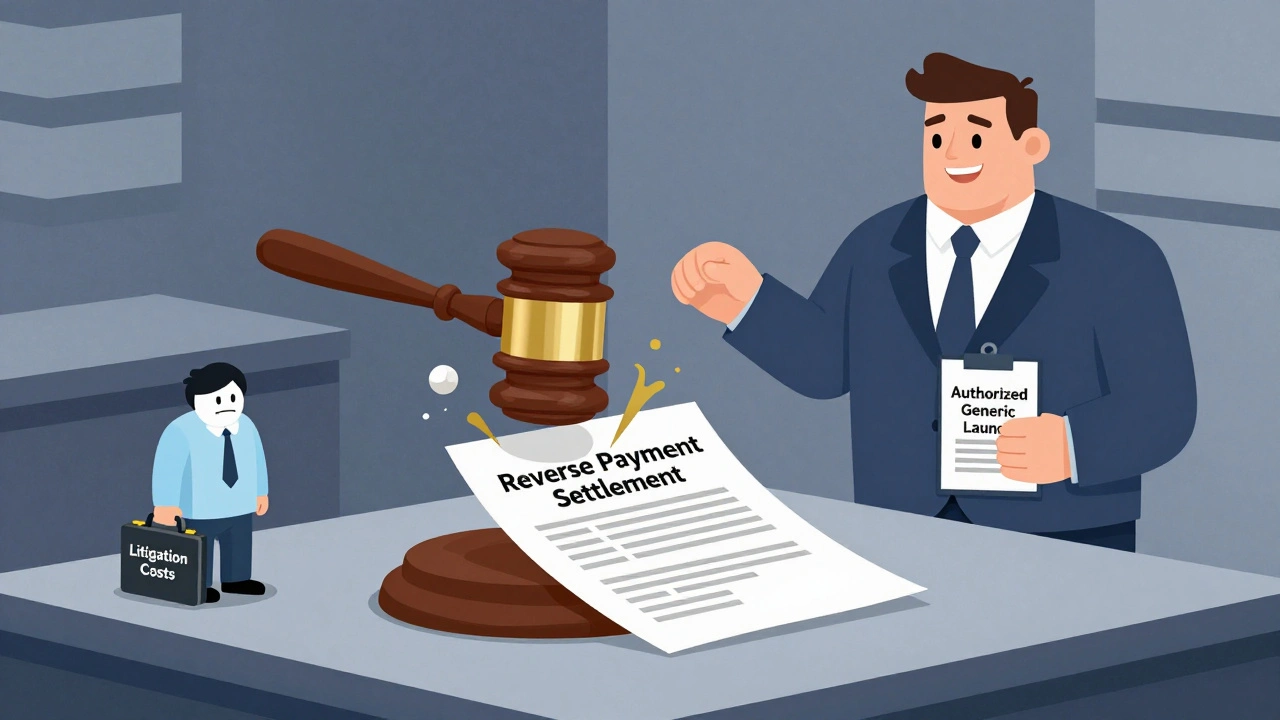
How Authorized Generics Change the Game
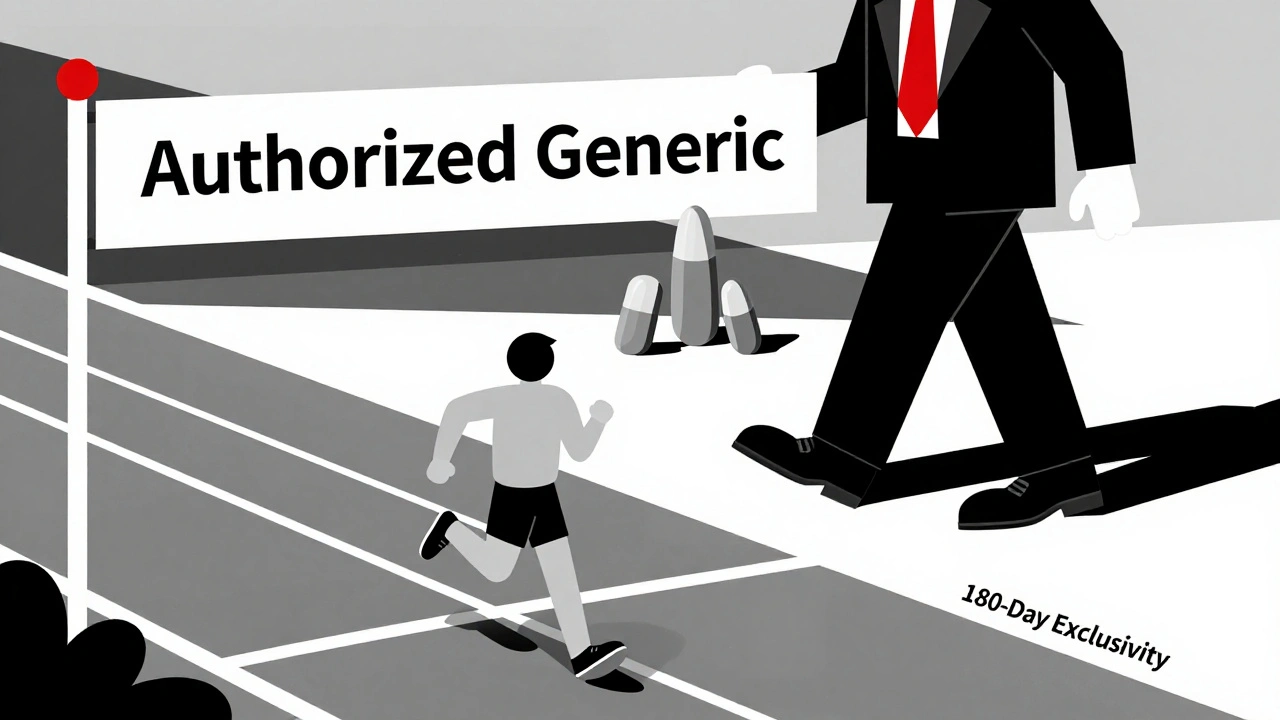
Think of the generic drug market like a race. The first runner gets a prize: exclusive access to the finish line for 180 days. That’s the incentive to train hard, spend money on lawyers, and risk everything to challenge a patent. Now imagine the race organizer steps in halfway through, runs the same route in the same shoes, and cuts in front of the first runner. The prize is still there-but now it’s split. And the organizer doesn’t even need to train. They just showed up with the same gear. That’s what authorized generics do. They turn a system meant to reward challengers into a tool for the incumbents to control the outcome. The numbers don’t lie. When an authorized generic enters, the first generic’s market share collapses. The brand keeps its name on the shelf, the authorized generic takes the middle ground, and the real generic gets stuck at the bottom-too cheap to be trusted, too late to matter. This isn’t competition. It’s a controlled release of pressure. And it’s costing patients billions.Why This Matters to You
You might not think about patent law when you pick up a prescription. But if you’re paying for a generic drug, you’re affected by this system. If the first generic company gets pushed out by an authorized version, fewer companies will challenge patents in the future. That means fewer generics on the market. That means higher prices. And if you’re on Medicare or Medicaid? You’re paying for it too. The Congressional Budget Office estimated that banning authorized generics during exclusivity could save Medicare $4.7 billion over ten years. This isn’t about big pharma vs. big generics. It’s about whether the rules are designed to help patients-or to protect profits disguised as competition.Are authorized generics the same as regular generics?
Yes, in terms of ingredients and effectiveness. An authorized generic is made by the same company that produces the brand-name drug, using the same formula and manufacturing process. The only differences are the label, packaging, and price. It’s the exact same pill, just sold under a generic name.
Why do brand companies launch authorized generics?
To protect profits. When a patent expires, generic competition usually drives prices down sharply. By launching their own generic version, brand companies capture part of that market before independent generics can dominate. They avoid losing all their customers and often maintain higher prices than true generics by pricing the authorized version just below the brand name.
Do authorized generics reduce drug prices for consumers?
Not as much as you’d think. While authorized generics are cheaper than the brand-name version, they’re typically 25-30% more expensive than true generics. Many patients and pharmacies end up choosing the authorized version because it’s familiar or listed first in formularies, paying more than necessary. The real price drop only comes when multiple independent generics enter the market-which authorized generics often prevent.
Is it legal for a brand company to launch an authorized generic during a generic’s exclusivity period?
Yes, it’s currently legal under FDA rules. The Hatch-Waxman Act doesn’t prohibit it. But it’s under heavy scrutiny. The FTC considers it anti-competitive, especially when it’s part of a settlement where the brand promises not to launch the authorized generic in exchange for the generic delaying entry. Those types of deals are now being investigated and challenged in court.
What’s being done to stop authorized generics from hurting competition?
The FTC has made it a top priority to challenge settlements that delay generic or authorized generic entry. In 2022, they explicitly stated they will take action against any arrangement that undermines the Hatch-Waxman Act’s competitive structure. Congress has also reintroduced legislation-like the Preserve Access to Affordable Generics and Biosimilars Act-that would ban agreements to delay authorized generic launches. Some drug manufacturers are also voluntarily changing their practices as legal risks rise.


Write a comment