


Statin Metabolic Effects: How Cholesterol Drugs Change Your Body
When you take a statin, a class of drugs used to lower LDL cholesterol by blocking an enzyme in the liver. Also known as HMG-CoA reductase inhibitors, they’re among the most prescribed medications worldwide—not because they’re magic, but because they work. But what happens inside your body beyond the numbers on a lab report? That’s where the statin metabolic effects come in, and they’re not always talked about.
Statin metabolic effects include changes in how your body handles sugar, energy, and even muscle repair. For example, some people see their blood sugar levels rise after starting a statin, especially if they already have prediabetes. This isn’t a glitch—it’s a documented metabolic shift. Rosuvastatin and atorvastatin, two of the strongest statins, have been linked to a small but real increase in type 2 diabetes risk, especially in older adults or those with metabolic syndrome. It’s not that statins cause diabetes outright, but they can nudge your body’s insulin sensitivity in a direction that makes it harder to control glucose. Meanwhile, your muscles might pay a price too. Muscle pain or weakness, often called statin myopathy, affects up to 10% of users. It’s not always obvious—sometimes it’s just feeling more tired than usual after a walk, or struggling to climb stairs. And your liver? It’s the main site where statins work, so liver enzyme levels are routinely checked. Most people never have issues, but if enzymes spike, it’s a signal to pause and reassess.
These effects aren’t random—they’re tied to how statins interfere with the mevalonate pathway, a chain of reactions that doesn’t just make cholesterol. That same pathway also produces coenzyme Q10, which helps your muscles generate energy, and dolichols, which are involved in cell signaling. When you block it, you’re not just lowering LDL—you’re subtly altering your metabolism at a deeper level. That’s why some people feel fine on statins for years, while others notice changes quickly. It depends on your genetics, your lifestyle, your age, and your baseline health. You can’t predict it, but you can monitor it. That’s why knowing what to track—muscle soreness, energy levels, fasting glucose, liver tests—is just as important as knowing your LDL number.
What you’ll find below are real, practical posts that dig into exactly these issues: how rosuvastatin affects blood sugar, why muscle pain shows up in some and not others, how to tell if a side effect is serious, and what alternatives exist when statin metabolic effects become too much. These aren’t theory pieces—they’re based on what patients and doctors actually see in clinics, labs, and pharmacies. If you’re on a statin, thinking about starting one, or just trying to understand why your doctor keeps asking about your energy or blood work, this collection gives you the unfiltered details you won’t get from a brochure.
- By Percival Harrington
- /
- 26 Nov 2025
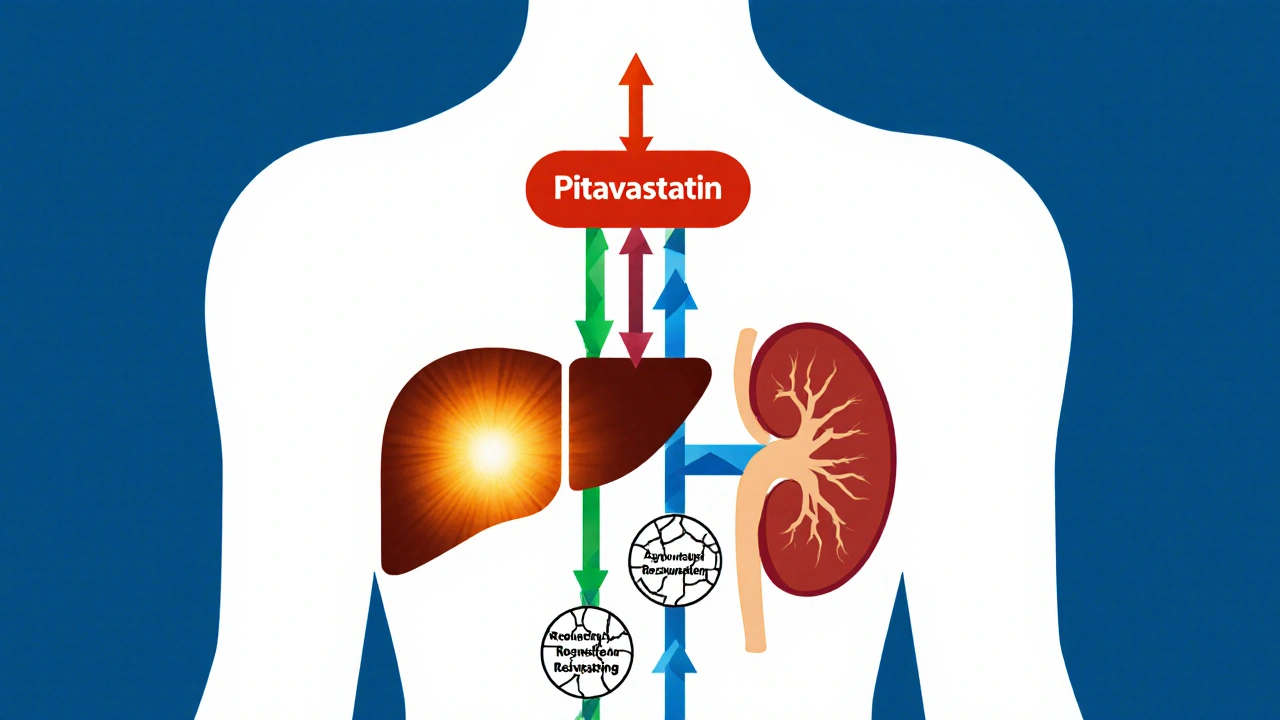
Pitavastatin and Diabetes Risk: What You Need to Know About Metabolic Effects
Pitavastatin offers a safer metabolic profile than other statins, with lower risk of raising blood sugar and triggering diabetes. Ideal for prediabetic patients needing cholesterol control without worsening insulin resistance.