

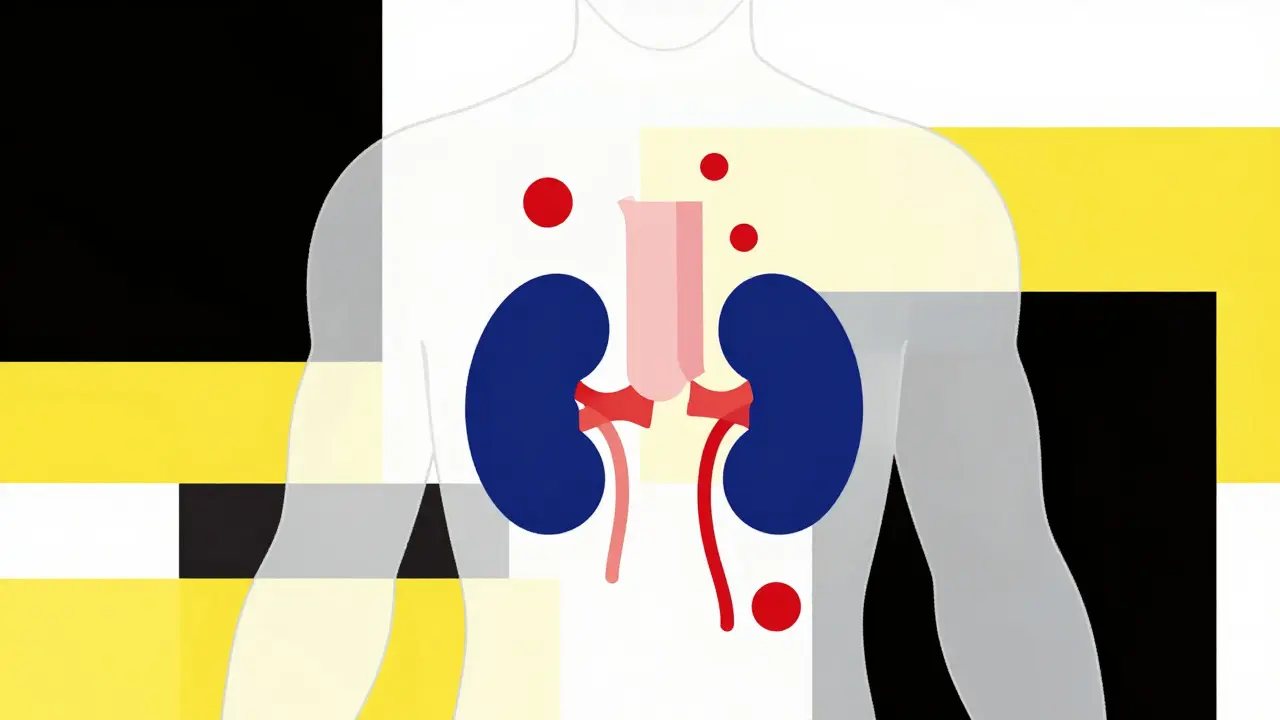
Imagine waking up tired, even after sleeping for ten hours. You feel heavy-headed, maybe light-headed when you stand too quickly. If you live with Chronic Kidney Disease (CKD), this isn't just a bad day-it could be your kidneys signaling a shortage of red blood cells. This condition, known as Anemia in Kidney Disease, affects millions of people globally, but modern medicine has powerful tools to fix it.
Your kidneys do more than filter blood; they produce a vital hormone called erythropoietin, often shortened to EPO. When damage occurs in the renal system, EPO production drops, leading to a sluggish bone marrow that stops pumping out enough oxygen carriers. We aren't talking about simple iron-deficiency anemia here. This is a complex issue involving inflammation and hormonal signals that require careful balancing of two main therapies: iron supplementation and EPO-stimulating drugs.
Why Your Kidneys Matter for Your Blood
To understand the treatment, you first need to see why the body fails here. In healthy individuals, low oxygen triggers the kidneys to release EPO, telling the bone marrow to work harder. In CKD, the sensors are broken. They don't send the message. Consequently, hemoglobin levels drop below normal ranges (under 13 g/dL for men, under 12 g/dL for women).
This isn't just about fatigue. Low hemoglobin strains the heart, forcing it to pump faster to deliver oxygen, increasing the risk of cardiovascular issues. It also impacts your quality of life-studies show that correcting this can help you play with your grandchildren without getting winded. However, fixing it isn't a "more is better" situation. Pushing numbers too high creates its own risks, including stroke or blood clots.
The Foundation: Understanding Iron Therapy
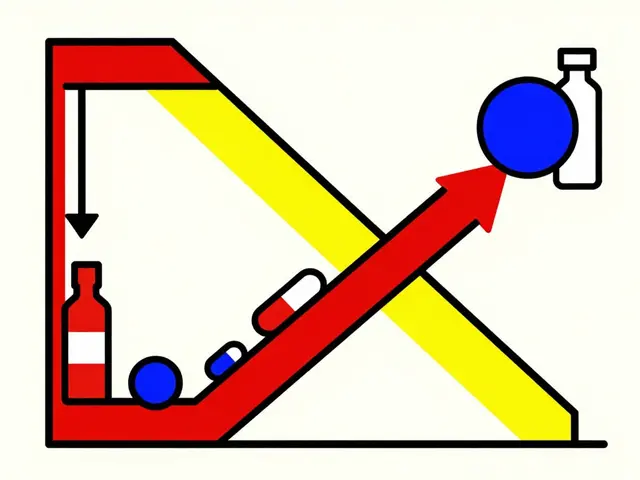
Before giving any boosters to your blood, you must have enough raw materials. Think of your bone marrow like a factory and iron as the bricks needed to build walls. If the delivery truck never shows up, adding workers (EPO) won't help.
Doctors look at two main metrics to decide on iron needs:
- Ferritin: This measures stored iron in your body.
- Transferrin Saturation (TSAT): This measures how much iron is currently available for use.
If your ferritin is below 100 mcg/L, you have absolute iron deficiency. You need iron immediately. But there is a trickier scenario called functional iron deficiency. Here, you might have plenty of iron stored away (high ferritin), but your body can't move it to the blood because of inflammation blocking the transport. Current protocols, such as the KDIGO Guidelines released in their 2025 draft version, suggest treating when ferritin sits between 100-500 mcg/L and TSAT is below 30%.
You might wonder about taking oral pills versus injections. The short answer is that pills often fail in kidney disease. Due to a protein called hepcidin, your gut blocks absorption of swallowed iron. Research indicates that while you might absorb 30-40% of a pill, intravenous (IV) therapy delivers nearly 100% directly into your bloodstream. For many on dialysis, intravenous iron sucrose given monthly is now considered standard care.
Erythropoiesis-Stimulating Agents: How They Work
Once your iron supply is secured, you still need the chemical signal to tell your body to start working. That is where Erythropoiesis-Stimulating Agents (ESAs) come in. These are lab-made versions of the natural hormone we lose. The most common ones are epoetin alfa and darbepoetin alfa.
These drugs usually increase hemoglobin by 1-2 g/dL within the first month. However, timing matters. You shouldn't start ESAs until you have corrected iron deficiency first. Dr. Laura McArthur, chair of European Renal Best Practice, noted years ago that starting ESAs without iron is like pressing the gas pedal without fuel-you won't go anywhere.
Administration differs by treatment stage. If you are on hemodialysis, nurses give ESAs through the line after treatment. If you are not yet on dialysis, subcutaneous injections (under the skin) are preferred because they provide steadier levels in the blood over time.
| Treatment Type | Absorption/Rate | Dosing Frequency | Safety Profile |
|---|---|---|---|
| Oral Iron (Ferrous Sulfate) | 30-40% absorbed | Daily | GI upset, constipation |
| IV Iron (Sucrose) | Near 100% | Monthly or Weekly | Rare allergic reactions |
| Epoetin Alfa (Injection) | Bioavailable | Weekly/Daily | Hypertension risk if Hb rises fast |
| Darbepoetin Alfa | Bioavailable | Every 1-2 Weeks | Similar to Epoetin |
New Frontiers: HIF-PHIs
The medical landscape is shifting. While ESAs dominate the market, a new class of drugs called Hypoxia-Inducible Factor Prolyl Hydroxylase Inhibitors (HIF-PHIs) is arriving. Approved in markets like Japan and China since 2019, roxadustat became FDA-approved in the US in late 2023. Unlike injected ESAs, these are oral pills.
They work differently. Instead of replacing the hormone, they help your kidneys sense low oxygen naturally, triggering their own remaining EPO production. Some patients find the daily pill easier than weekly needles. There are concerns regarding tumor progression in certain cancers, so your doctor will review your full history before prescribing this.
Safety First: Navigating Risks
We cannot ignore the dark side of aggressive treatment. We've discussed reaching targets, but what happens if you overshoot? Major trials like TREAT in 2009 showed that targeting very high hemoglobin levels (above 11.5 g/dL) increased the risk of stroke by roughly 32%. The goal is balance.
Clinicians monitor you closely. Blood pressure spikes are common; about one in three patients report needing extra medication for hypertension when starting these drugs. Also, injection sites can get irritated, though newer formulations are helping reduce this. Safety protocols now recommend keeping hemoglobin steady between 10-11.5 g/dL rather than chasing a perfect number.
The Patient Experience
Beyond the numbers, how does this feel? In patient forums, the majority describe a noticeable energy boost. One patient reported, "I can finally walk my dog without stopping." Others focus on the logistics, complaining about the metallic taste during IV infusions or the bruising from frequent shots. These anecdotes highlight the trade-off: the convenience of treatment versus the side effects. About 25% of users note flu-like symptoms right after an iron dose, which usually passes quickly.
Frequently Asked Questions
What hemoglobin level is considered normal for someone with kidney disease?
For patients with Chronic Kidney Disease, the target hemoglobin range is generally 10 to 11.5 g/dL. Pushing levels higher than 11.5 g/dL increases the risk of stroke and heart issues, according to KDIGO 2025 guidelines.
Is oral iron effective for kidney failure patients?
Not always. Because of inflammation caused by kidney disease, the protein hepcidin blocks iron absorption from the gut. Studies show only 30-40% absorption rates for oral iron compared to near 100% for intravenous iron, making IV therapy more effective for many.
Can erythropoietin cause high blood pressure?
Yes, elevated blood pressure is a common side effect occurring in 25-30% of patients starting ESA therapy. Doctors monitor blood pressure closely and may adjust antihypertensive medications accordingly.
What are HIF-PHIs and why are they new?
HIF-PHIs are oral medications that stimulate the body to produce its own erythropoietin. They represent a shift from injections to pills, approved recently (like roxadustat in 2023) to offer an alternative administration route for eligible patients.
How quickly does iron therapy work?
Intravenous iron can raise hemoglobin by approximately 1.5 g/dL within four weeks. Most patients notice improved energy levels and less breathlessness within the first month of adequate repletion.


Write a comment