




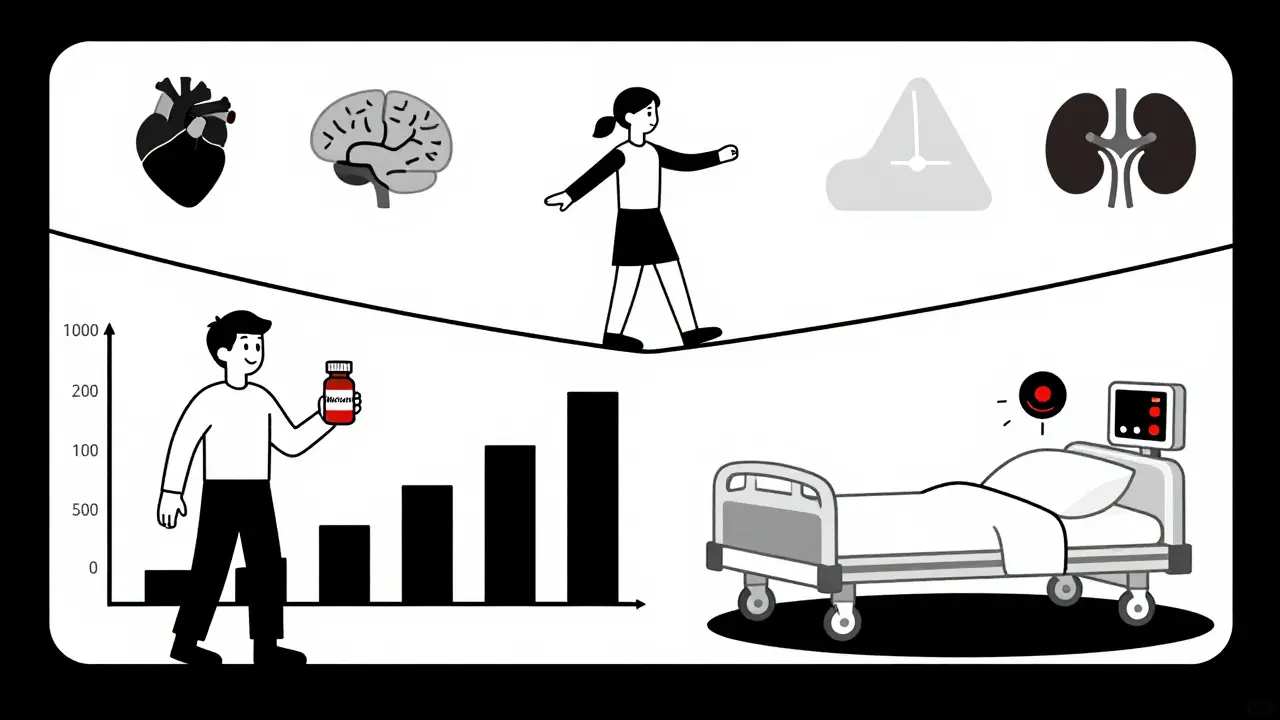
Some medications are like walking a tightrope. Take one step too far, and you could fall into serious danger. These are called NTI drugs - Narrow Therapeutic Index drugs. They work brilliantly when dosed just right, but even a tiny change in dose can turn healing into harm. A little too much warfarin? You might bleed internally. A slight spike in lithium? You could end up in the hospital with tremors, confusion, or seizures. These aren’t rare edge cases. They’re everyday realities for hundreds of thousands of people taking these drugs right now.
What Makes a Drug an NTI Drug?
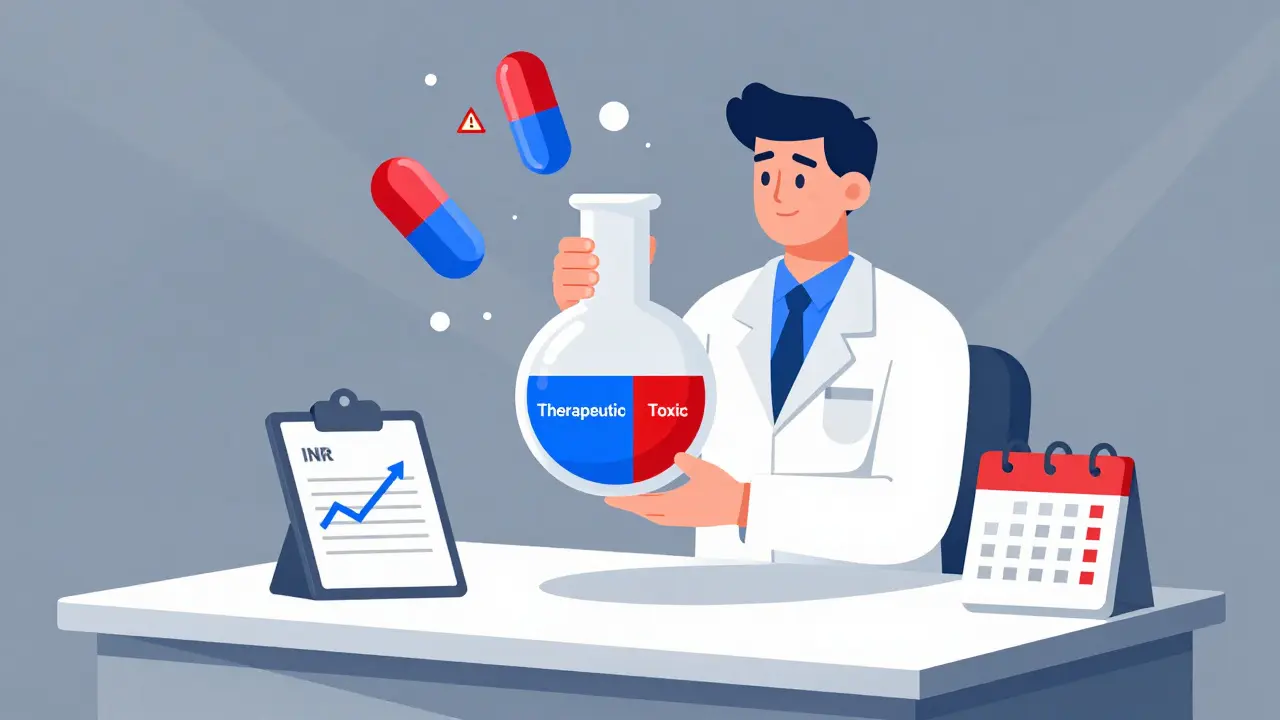
NTI stands for Narrow Therapeutic Index. That means the difference between a dose that works and a dose that poisons you is razor-thin. The U.S. Food and Drug Administration defines it clearly: if a small change in blood concentration can cause serious side effects or treatment failure, it’s an NTI drug. For most medications, there’s a wide safety buffer. You can miss a dose or take one extra, and nothing major happens. Not with NTI drugs. The window is often just 10-20% wide.
Think of it like this: digoxin, a heart medication, has a therapeutic range of 0.5 to 2.0 nanograms per milliliter of blood. That’s less than a drop in a swimming pool. Go above 2.0? Risk of fatal heart rhythm problems. Drop below 0.5? The heart condition comes back. There’s no room for guesswork. That’s why blood tests aren’t optional - they’re life-saving.
The Core NTI Drug List You Need to Know
There’s no single official list that every country uses, but based on FDA guidance, state pharmacy boards, and clinical guidelines, these are the most common NTI drugs you’ll encounter in practice:
- Warfarin - An anticoagulant. Therapeutic range is measured by INR (International Normalized Ratio). Target is usually 2.0-3.0. An INR above 4.0 raises bleeding risk by over 7 times. A 10% dose increase can push INR up by 0.4-0.6 units. That’s why patients get weekly blood tests when starting, and sometimes monthly after that.
- Lithium - Used for bipolar disorder. Therapeutic range: 0.6-1.2 mmol/L. Levels above 1.5 can cause confusion, vomiting, or seizures. Levels below 0.5 often mean the drug isn’t working. Kidney function and hydration status directly affect lithium levels, so monitoring isn’t just routine - it’s critical.
- Digoxin - Treats heart failure and atrial fibrillation. Therapeutic range: 0.5-2.0 ng/mL. Toxicity can happen even with small overdoses. Older adults are especially vulnerable because their kidneys clear it slower. Many hospitals now avoid it entirely unless no other option exists.
- Phenytoin - An antiseizure drug. Therapeutic range: 10-20 mcg/mL. Levels below 10 mean seizures may return. Above 20? You risk dizziness, slurred speech, or even coma. It interacts with dozens of other drugs, so changes in other meds can throw levels off overnight.
- Tacrolimus - An immunosuppressant for transplant patients. Target trough level: 5-15 ng/mL. Too low? Organ rejection. Too high? Kidney damage, tremors, or diabetes. Patients get blood tests 3 times a week in the first month after transplant. Even then, levels can swing with diet, infections, or new medications.
- Carbamazepine - Another antiseizure and mood stabilizer. Therapeutic range: 4-12 mcg/mL. It auto-induces its own metabolism, meaning your body breaks it down faster over time. A dose that worked last month might not be enough now. Regular blood tests are non-negotiable.
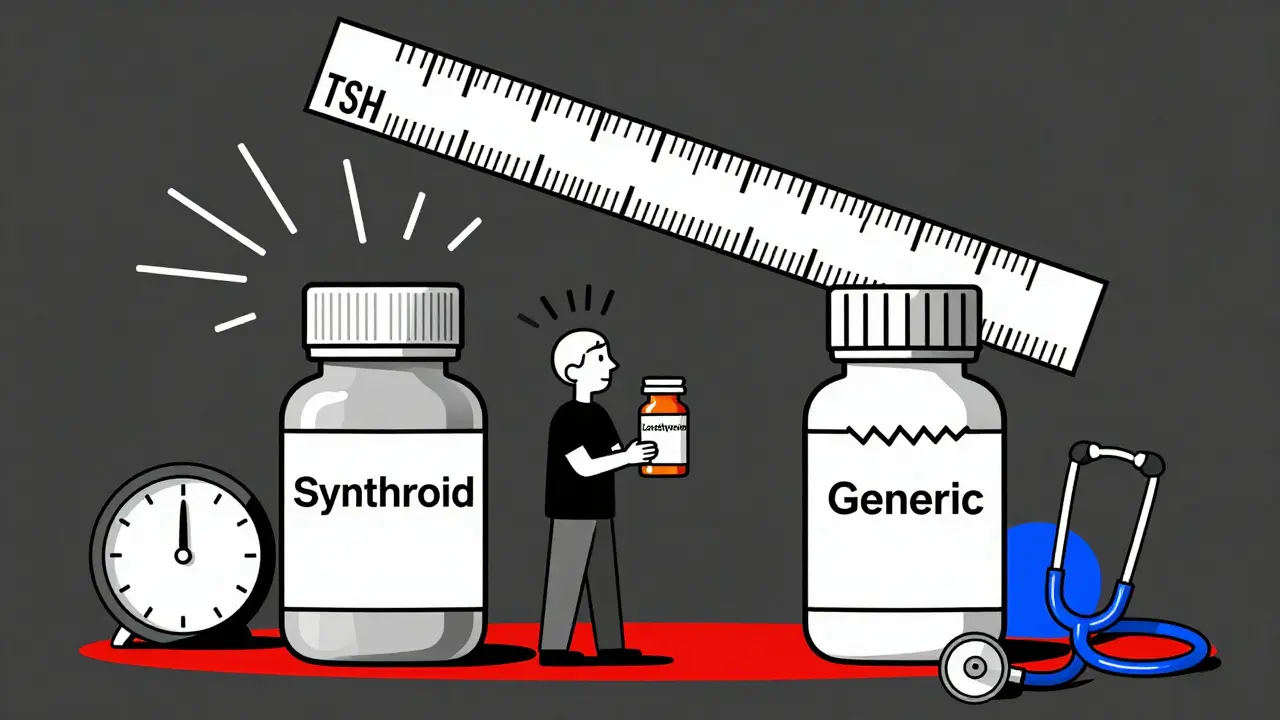
- Levothyroxine - Used for hypothyroidism. Therapeutic control is measured by TSH levels (0.5-4.5 mIU/L). Even switching brands - say, from Synthroid to a generic - can cause TSH to jump from 1.2 to 8.7. That’s not a fluke. It’s a documented issue. Many endocrinologists insist patients stick to the same brand forever.
- Valproic acid - For epilepsy and bipolar disorder. Therapeutic range: 50-100 mcg/mL. Liver toxicity and pancreatitis are real risks at higher levels. It’s also dangerous in pregnancy, so monitoring is layered with other safety checks.
And then there are the newer ones - especially in cancer care. Drugs like axitinib, ponatinib, and olaparib are designed to target specific cancer cells. But they’re so precise, they barely miss healthy tissue. Their therapeutic ranges are measured in single-digit nanograms per milliliter. One study showed 23% of new cancer drugs approved between 2018 and 2023 had narrow therapeutic windows. That’s up from 12% in earlier years.
Why Generic Substitutions Can Be Dangerous
Here’s where things get messy. Most generic drugs are considered interchangeable with brand names. Not with NTI drugs. The FDA requires stricter bioequivalence standards for them: 90% confidence intervals for absorption must fall between 90% and 111.11% of the brand drug. For regular drugs, it’s 80% to 125%. That’s a huge difference.
But even with those tighter rules, real-world cases show problems. A 2023 Reddit thread from a pharmacist described a 62-year-old patient who switched from brand-name levothyroxine to a generic. Her TSH shot up from 1.2 to 8.7. She felt exhausted, gained weight, and her heart started racing. It took three months of adjustments to get back to normal. That’s not an outlier. Hospital pharmacists report intervening to prevent dosing errors in NTI drugs more than 70% of the time in the past year.
Forty-seven U.S. states have laws restricting automatic substitution of NTI drugs. Twenty-eight require the doctor to write “dispense as written” or “no substitution” on the prescription. Yet, many patients still get switched without knowing. Pharmacists are often caught in the middle - caught between cost-saving policies and patient safety.
Monitoring: The Lifeline for NTI Drug Users
There’s no way around it: if you’re on an NTI drug, regular blood tests aren’t optional. They’re part of your treatment plan - just like taking the pill.
- Warfarin: INR checked weekly at first, then every 2-4 weeks once stable.
- Lithium: Every 3-6 months, more often if you’re elderly or have kidney issues.
- Digoxin: At least once a year, or anytime symptoms change.
- Tacrolimus: Three times a week after transplant, then weekly, then monthly - depending on stability.
- Phenytoin: Every 3-6 months, or after any new medication is added.
Cost is a barrier. Each test runs $25-$150. Medicare covers 80%, but patients still pay the rest. Many skip tests because of the cost or inconvenience. A 2022 JAMA study found 32% of lithium patients miss monitoring appointments. That’s a ticking time bomb.
Technology is helping. Some hospitals now use AI systems that flag abnormal levels before the doctor even sees the report. One pilot study cut NTI-related adverse events by 28%. Wearable sensors that measure drug levels in sweat or interstitial fluid are in early testing. In the next 5-10 years, real-time monitoring could become standard.
What You Should Do If You’re on an NTI Drug
If you take one of these medications, here’s what you need to do right now:
- Know your drug’s therapeutic range. Ask your doctor or pharmacist: “What’s my target level?” Write it down.
- Keep a log. Record your doses, dates of blood tests, and results. Bring it to every appointment.
- Don’t switch brands without talking to your doctor. Even if the pharmacy says it’s the same, ask if it’s safe to switch. For levothyroxine, many experts say: stick with one brand.
- Report any new symptoms. Dizziness, nausea, irregular heartbeat, tremors, confusion - these aren’t normal. They could mean your level is off.
- Know your lab numbers. Don’t just wait for the doctor to call. Get your results. Understand what they mean.
And if you’re a caregiver - whether for a parent, partner, or child - be the one who reminds them about blood tests. Many patients forget. But missing one test can be dangerous.
The Bigger Picture: Why NTI Drugs Matter
NTI drugs make up only about 15% of medications that require monitoring. But they’re responsible for 30% of all dosing-related hospitalizations. That’s a staggering number. It’s not because these drugs are bad. It’s because they’re powerful - and we treat them like they’re ordinary.
As targeted cancer therapies and personalized medicine grow, more drugs will join this list. We’re moving toward a future where treatment is tailored to your genes, your liver function, your weight, even your diet. That’s good. But it also means more complexity. More responsibility. More need for vigilance.
NTI drugs aren’t going away. They’re becoming more common. The key isn’t fear. It’s awareness. Knowledge. Consistency. If you’re on one, you’re not just taking a pill. You’re managing a delicate balance - and you have the power to get it right.
Are all blood thinners NTI drugs?
No. Warfarin is an NTI drug because its therapeutic window is very narrow and it interacts with many foods and medications. Newer blood thinners like apixaban and rivaroxaban have wider therapeutic windows and don’t require routine blood monitoring. However, some experts still classify them as having a narrow range due to bleeding risks, so caution is still advised.
Can I switch from brand to generic NTI drugs safely?
It’s risky. Even though generics must meet strict FDA standards for NTI drugs, small differences in absorption can still cause blood levels to shift. Many patients report symptoms after switching - especially with levothyroxine, phenytoin, or lithium. Always talk to your doctor before switching. Some states require a doctor’s note to allow substitution.
Why do I need blood tests if I feel fine?
NTI drugs can be toxic even when you feel okay. For example, lithium levels can creep up slowly over weeks, causing brain fog or tremors before you notice anything. Digoxin toxicity can trigger dangerous heart rhythms without early warning signs. Blood tests catch these changes before symptoms appear. Feeling fine doesn’t mean your levels are safe.
What happens if I miss a dose of an NTI drug?
It depends on the drug. For warfarin, missing one dose usually isn’t critical - just take it as soon as you remember. For lithium or digoxin, skipping a dose can cause levels to drop too low, risking relapse of symptoms. Never double up to make up for a missed dose. Always call your doctor or pharmacist for specific advice.
Do NTI drugs interact with supplements or herbal products?
Yes, often dangerously. St. John’s wort can lower levels of tacrolimus and cyclosporine, risking organ rejection. Garlic and ginkgo can increase bleeding risk with warfarin. Even high-dose vitamin D can affect lithium levels. Always tell your doctor and pharmacist about every supplement you take - even if you think it’s harmless.


Write a comment