
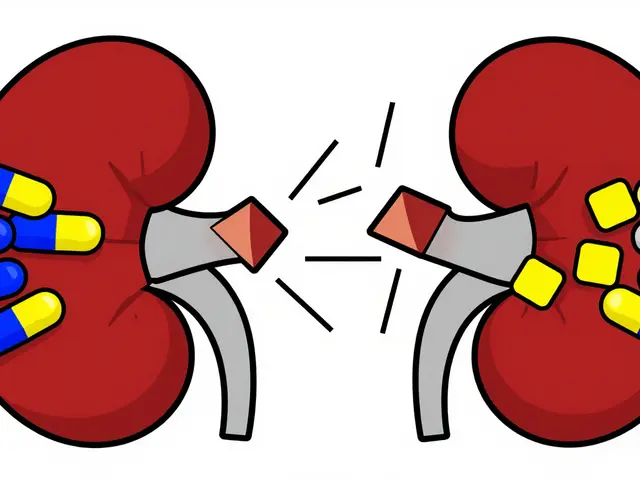
Therapeutic Equivalence: What It Means for Generic Drugs and Your Health
When you pick up a prescription, you might see a therapeutic equivalence, the official standard that says two drugs produce the same clinical effect and safety profile in patients. Also known as bioequivalence, it’s the reason your pharmacist can swap a brand-name pill for a cheaper generic without asking your doctor. But here’s the thing: just because two drugs are labeled therapeutically equivalent doesn’t mean they’re always interchangeable in real life. The FDA approves them based on strict testing — same active ingredient, same dose, same way your body absorbs it — but what happens after you take it? That’s where things get messy.
Therapeutic equivalence is tied directly to generic drugs, medications that copy the active ingredient of brand-name drugs after patents expire. These are the backbone of affordable care in the U.S., making up nearly 90% of prescriptions. But behind the scenes, there’s a system called the Orange Book, the FDA’s official list that rates drug products by therapeutic equivalence codes. Drugs marked with an "A" code are approved as interchangeable; those with "B" aren’t. This isn’t just paperwork — it affects whether your insurance will cover the generic, or if your doctor has to write "dispense as written" to block a switch. And then there’s the quiet issue: authorized generics, brand-name drugs sold under a generic label by the same company. They’re not cheaper because they’re better — they’re cheaper because the brand wants to block real competition. That’s why some patients report different side effects or effectiveness even when switching between generics with the same FDA rating.
It’s not just about cost. Therapeutic equivalence impacts people with chronic conditions — diabetes, epilepsy, heart disease — where tiny differences in drug absorption can mean big changes in symptoms. That’s why pharmacists are trained to track these switches, and why you should always ask: "Is this the same as what I took last time?" If your blood pressure meds or seizure drugs suddenly feel different, it might not be in your head — it could be a change in the inactive ingredients, manufacturing process, or even the tablet’s coating. The FDA says they’re equivalent, but real-world use doesn’t always match the lab results.
What you’ll find below are real stories and deep dives into how therapeutic equivalence plays out in practice: from how patent tricks keep prices high, to why some people react differently to generics, to what tests and monitoring can catch problems before they escalate. These aren’t theory pieces — they’re based on what patients and pharmacists are seeing every day. Whether you’re on a statin, an antibiotic, or a diabetes drug, understanding therapeutic equivalence helps you ask the right questions — and make sure you’re getting what you’re supposed to.
- By Percival Harrington
- /
- 28 Dec 2025
State Laws on Generic Drug Substitution: How Regulations Vary Across the U.S.
State laws on generic drug substitution vary widely across the U.S., affecting whether you get cheaper generics automatically or need to give consent. Learn how rules differ by state, which drugs are restricted, and what this means for your health and costs.
- By Percival Harrington
- /
- 2 Dec 2025
Medical Society Guidelines on Generic Drug Use: What Doctors Really Think
Medical societies have official positions on generic drug substitution - some support it, others oppose it for safety reasons. Learn why neurologists block swaps for epilepsy meds, how naming rules prevent errors, and what patients should know.